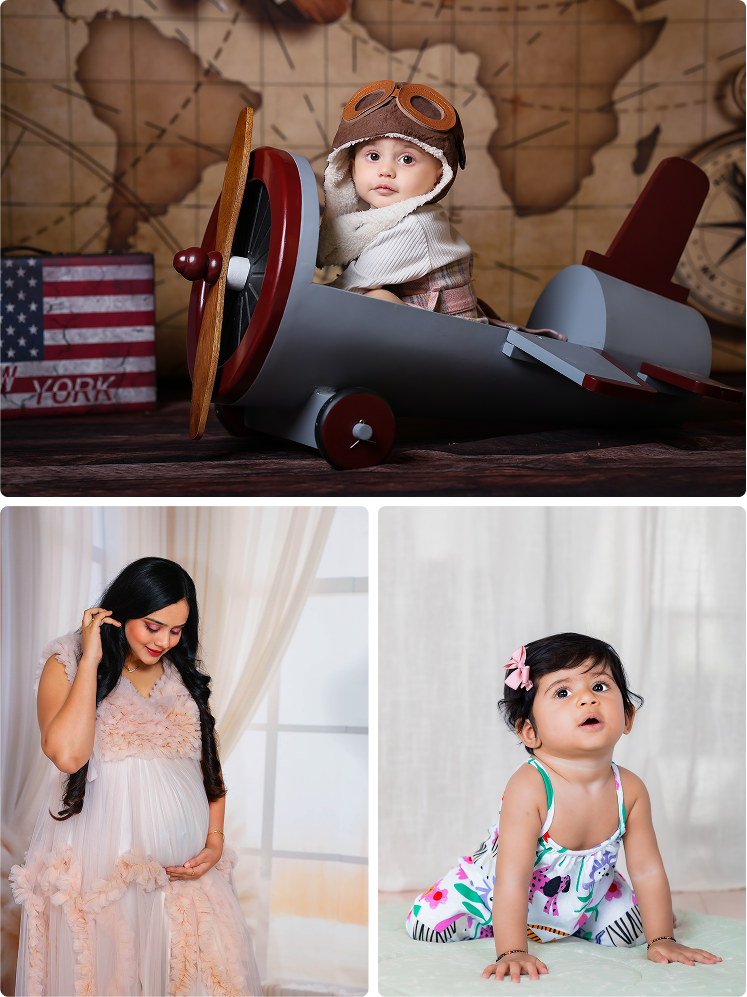

Parents often focus on the visible aspects of preparing for a baby photoshoot. They carefully select adorable outfits, coordinate family clothing, choose props, and think about the perfect poses they hope to capture. While all these details contribute to a successful session, there is one factor that plays a much bigger role than most parents realize: your baby’s feeding schedule.
Professional baby photographers frequently say that a happy baby creates the best photographs. But what contributes most to a baby’s happiness during a photoshoot? The answer is surprisingly simple—comfort. And one of the biggest influences on a baby’s comfort is whether they have been fed appropriately before the session.
A well-fed baby is generally calmer, more relaxed, and more willing to engage with their surroundings. In contrast, a hungry baby may become fussy, restless, or difficult to soothe, regardless of how beautiful the setup may be. Understanding how feeding affects a baby’s mood can help parents prepare for a smoother and more enjoyable photoshoot experience.
In this guide, we’ll explore why feeding schedules matter, how they impact different types of baby photoshoots, and practical ways parents can prepare for a successful session.
The Relationship Between Feeding and Baby Behavior
Babies experience the world through their immediate needs.
Unlike adults, they cannot ignore hunger, delay a meal, or understand why they should wait a little longer. When a baby feels hungry, that feeling often becomes their entire focus.
Hunger can affect:
- Mood
- Energy levels
- Sleep quality
- Attention span
- Comfort
A baby who is uncomfortable due to hunger is less likely to smile, interact, or relax during a photoshoot.
This is why feeding schedules often become one of the most important elements of session planning.
Why Hunger Shows Up Quickly in Photos
Parents may not immediately recognize the signs of hunger during a photoshoot.
Many babies don’t simply cry when they’re hungry.
Instead, they may:
- Become unusually quiet
- Turn away from the camera
- Lose interest in activities
- Seem frustrated
- Refuse to engage
Photographers who work with babies regularly can often identify these signs quickly.
In many cases, a short feeding break completely changes the baby’s mood and energy.
The Goal Is Comfort, Not Perfection
Some parents mistakenly believe that feeding before a photoshoot is meant to guarantee smiles or cooperation.
That’s not the purpose.
Feeding simply helps create an environment where the baby feels comfortable.
When basic needs are met, babies are more likely to:
- Relax naturally
- Explore their surroundings
- Show genuine expressions
- Interact with family members
Photography becomes easier because the baby is focused on the experience rather than on hunger.
Why Newborn Sessions Depend Heavily on Feeding
Newborn photography is especially influenced by feeding schedules.
During the first few weeks of life, newborns spend most of their time:
- Sleeping
- Feeding
- Being comforted
These three activities are closely connected.
A newborn who has recently fed is often more likely to:
- Fall asleep comfortably
- Stay relaxed during posing
- Settle more easily
This is one reason many photographers suggest feeding newborns shortly before the session begins.
A content newborn is often more comfortable transitioning into various poses and setups.
Feeding Helps Babies Feel Secure
Feeding provides more than nutrition.
For babies, feeding is also associated with:
- Safety
- Familiarity
- Emotional connection
- Reassurance
This emotional comfort can have a significant effect on a photoshoot.
A baby who feels secure is more likely to remain calm when encountering:
- New environments
- Different lighting
- Unfamiliar people
- New sounds
The session becomes less stressful because the baby feels supported and comfortable.
Why Timing Matters More Than Quantity
One common mistake parents make is assuming they should feed their baby as much as possible before the session.
More isn’t always better.
Overfeeding may lead to:
- Discomfort
- Gas
- Increased spit-up
- Sleepiness beyond normal levels
Instead of focusing on quantity, parents should focus on timing.
Following the baby’s normal feeding routine is usually the most effective approach.
A baby who feels comfortably satisfied, not overly full, is often in the best condition for photography.
Feeding and Sleep Go Hand in Hand
Many successful baby photoshoots benefit from natural sleep patterns.
Feeding often plays a major role in helping babies rest comfortably.
After feeding, many babies experience:
- Relaxation
- Reduced fussiness
- Easier sleep transitions
This can be particularly helpful for newborn photography, where peaceful sleeping images are often part of the session.
However, it’s important to remember that sleep is not the goal itself.
Comfort is the goal.
Sleep simply becomes a natural result for many babies.
Feeding Is Important for Milestone Sessions Too
Parents often associate feeding schedules only with newborn photography.
In reality, feeding remains important throughout the first year.
During milestone sessions, babies may be:
- Sitting independently
- Crawling
- Standing with support
- Celebrating birthdays
These sessions rely heavily on interaction and engagement.
A hungry baby may quickly lose interest in:
- Toys
- Smiles
- Family interactions
- Exploring the environment
Proper feeding helps maintain the energy needed for these activities.
How Feeding Influences Expressions
One of the biggest goals of baby photography is capturing genuine expressions.
Parents often hope to see:
- Smiles
- Laughter
- Curiosity
- Wonder
These moments occur most naturally when babies feel comfortable.
A baby who is thinking about food is unlikely to focus on the camera.
Once feeding needs are met, babies often become more expressive and engaged.
This leads to more authentic photographs.
Feeding Reduces Unnecessary Stress
Photoshoots can be exciting but sometimes overwhelming experiences for families.
Parents may worry about:
- Timing
- Baby behavior
- Outfit changes
- Cooperation
Knowing that the baby has been fed properly often reduces anxiety.
Parents tend to feel more confident when they know their baby is comfortable.
That confidence contributes to a calmer atmosphere overall.
And babies often respond positively to calm, relaxed parents.
Why Feeding Breaks Are Normal During Photoshoots
Many parents feel concerned about interrupting a session for feeding.
In reality, feeding breaks are expected.
Professional photographers regularly build flexibility into their schedules.
Feeding breaks provide opportunities to:
- Calm the baby
- Meet immediate needs
- Create a more relaxed environment
After feeding, babies often return to the session feeling refreshed and comfortable.
These pauses are not disruptions.
They are a natural part of baby photography.
The Difference Between Newborns and Older Babies
The role of feeding evolves as babies grow.
Newborns
Feeding primarily supports:
- Sleep
- Relaxation
- Comfort
Older Babies
Feeding helps maintain:
- Energy
- Engagement
- Attention span
- Positive mood
While the reasons may differ, feeding remains an important part of preparation at every stage.
What About Cake Smash Sessions?
Cake smash photography introduces a unique situation.
Parents sometimes assume babies should arrive hungry to encourage interaction with the cake.
However, an overly hungry baby may become frustrated before the session begins.
A better approach is ensuring the baby is comfortable and satisfied beforehand.
This allows them to approach the cake out of curiosity and excitement rather than desperation.
The result is usually more natural and enjoyable photographs.
Recognizing Signs Your Baby Needs a Feeding Break
Even with good preparation, babies may become hungry during the session.
Common signs include:
- Fussiness
- Rooting behavior
- Crying
- Loss of interest
- Difficulty settling
Responding quickly can help prevent further discomfort.
Most photographers encourage parents to prioritize feeding whenever these signs appear.
Why Every Baby Is Different
No feeding schedule works for every child.
Some babies prefer:
- Frequent smaller feeds
Others prefer:
- Larger feeds spaced farther apart
Some babies become hungry unexpectedly.
Others stick closely to a predictable routine.
Parents should trust their understanding of their baby’s individual needs.
The most effective photoshoot plans are built around the baby’s natural schedule rather than attempting to create a new one.
Preparing Feeding Supplies for the Session
Parents can make the experience smoother by packing feeding essentials in advance.
Depending on the baby’s age and routine, this may include:
- Bottles
- Formula
- Breastfeeding supplies
- Burp cloths
- Snacks for older babies
- Water
Having these items readily available reduces stress and allows quick responses when needed.
Why Professional Photographers Ask About Feeding
Many parents are surprised when photographers ask questions about feeding habits before the session.
These questions help photographers understand:
- The baby’s routine
- Likely feeding times
- Energy patterns
- Comfort needs
This information helps create a schedule that works with the baby rather than against them.
The result is often a more relaxed and successful experience.
Feeding Supports Natural Family Interactions
Some of the most beautiful photographs occur during genuine family moments.
When babies are comfortable, they are more likely to:
- Make eye contact
- Smile at parents
- React naturally
- Enjoy interactions
These moments create emotional photographs that families treasure for years.
Comfort is often the foundation of authenticity.
The Bigger Picture: Happy Babies Create Better Memories
Parents sometimes become focused on getting perfect photographs.
But the true goal of a baby photoshoot is capturing memories.
A baby who feels:
- Safe
- Relaxed
- Comfortable
- Well cared for
is more likely to create meaningful moments worth preserving.
Feeding plays a surprisingly important role in achieving that goal.
Final Thoughts
Feeding schedules may seem like a small detail when planning a baby photoshoot, but they often have a significant impact on the overall experience. A well-fed baby is generally more comfortable, emotionally secure, and ready to engage with the world around them. Whether you’re preparing for a newborn session, milestone shoot, family portrait, or first birthday celebration, respecting your baby’s feeding routine can help create a smoother and more enjoyable session.
Rather than focusing on strict schedules or perfect timing, parents should prioritize their baby’s comfort and individual needs. Professional photographers understand that feeding breaks are a normal part of working with babies and are happy to adapt the session accordingly.
At the end of the day, beautiful photographs begin with a happy baby. And one of the simplest ways to help your baby feel happy is by ensuring they arrive well-fed, comfortable, and ready to enjoy the experience.