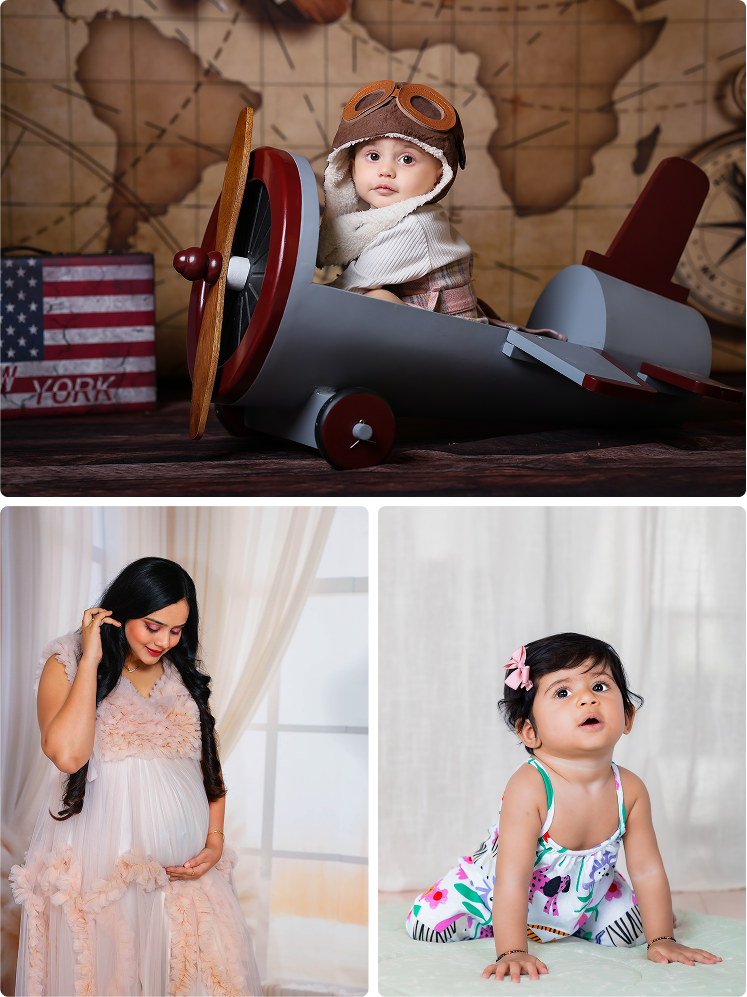
A newborn photoshoot is one of the most precious experiences for new parents. Those early days—filled with tiny yawns, delicate fingers, and soft snuggles—deserve to be preserved forever. But while the goal is to capture those dreamy images, your baby’s safety always comes first.
Newborn photography might look effortless, but behind every adorable pose is a careful setup, proper technique, and a deep understanding of infant safety. Babies are fragile, unpredictable, and developing rapidly, which means every detail—from temperature to positioning—must be handled with care.
Whether you’re hiring a professional photographer or planning a DIY session at home, this guide outlines the top safety tips every parent should know before, during, and after a newborn photoshoot.
1. Choose a Photographer Who Specializes in Newborn Photography
Not all photographers are trained to handle newborns. Choosing someone who specializes in newborn photography is the most important step in ensuring your baby’s safety
Professional newborn photographers understand baby behavior, anatomy, and posing techniques. They know how to recognize stress cues, avoid unsafe positions, and create a calm, warm environment for your little one.
What to Check Before Booking:
- Portfolio: Look for consistency in posing, lighting, and comfort level of babies.
- Training: Ask if the photographer has taken newborn safety or posing workshops.
- Experience: Choose someone with several years of hands-on newborn experience.
- Studio Cleanliness: A clean, sanitized workspace is essential.
2. Keep the Environment Warm and Comfortable
Newborns are used to the warmth of the womb, so a cozy, stable temperature is vital during photography sessions—especially if the baby will be undressed or swaddled lightly.
The ideal room temperature for newborn shoots is around 80°F (26–27°C). Babies can’t regulate their body temperature well, so a slightly warmer setup helps keep them comfortable and sleepy.
Tips for Comfort:
- Use space heaters (at a safe distance) to maintain warmth.
- Keep a thermometer handy to monitor room temperature.
- Warm up blankets and wraps before use.
- Avoid drafts from windows or air conditioners.
3. Sanitize Everything — Hygiene Is Non-Negotiable
Newborns have delicate immune systems, making hygiene a top priority. All props, blankets, wraps, and surfaces should be freshly cleaned and sanitized before every session.
Photographers should also practice strict hygiene protocols, including:
- Washing hands before touching the baby.
- Using hand sanitizer frequently.
- Wearing a mask if unwell or during close interactions.
- Disinfecting props, floors, and lenses after each shoot.
Parents should bring personal items like pacifiers, milk bottles, and diapers instead of using shared ones.
If your baby was premature or has specific medical needs, consult your pediatrician before scheduling a shoot.
4. Avoid Dangerous or Unsupported Poses
Some of the most viral newborn photos online involve poses that look adorable—but are composite images, not single shots. These complex poses should never be attempted without professional training and support.
For example, images where a baby appears to be holding their own head or balancing on hands are actually digitally combined from multiple shots with hands supporting the baby at all times.
Unsafe Poses to Avoid:
- Baby propped on elbows (“froggy pose”) without support
- Hanging poses from hammocks or baskets
- Balancing poses on high or unstable props
- Poses that compress the baby’s limbs or neck
Safe Alternatives:
- Wrapped poses: Securely swaddle your baby for warmth and simplicity.
- Lying on the back or side: Natural, safe, and comfortable.
- Parent-supported poses: Cradling in mom’s or dad’s arms for stability and emotion.
5. Always Have a Spotter Nearby
Whether you’re doing a studio session or a home setup, a spotter (an assistant or parent) should always be present. Babies can make sudden movements—even while asleep—and may roll or jerk unexpectedly.
The spotter’s job is to:
- Support the baby during transitions.
- Stay close to the prop or pose.
- Watch for signs of discomfort, distress, or fatigue.
Never leave a baby unattended on elevated surfaces, props, or beanbags.
If you’re working with siblings or pets, ensure one adult is focused solely on supervising them during the shoot.
6. Use Soft, Supportive Props
Props add creativity and charm to newborn photos, but they should always be chosen with safety and stability in mind.
Avoid items that are rough, sharp, breakable, or unsteady. Instead, use soft, padded, and sturdy props that provide full body support.
Prop Safety Checklist:
- Ensure baskets or bowls are weighted at the base.
- Line all props with thick padding or blankets.
- Avoid glass, metal, or wicker items with splinters.
- Check for loose parts, staples, or wires.
- Place props on the floor, not high surfaces.
7. Watch for Baby’s Cues and Limits
Every baby is different, and no pose or photo is worth causing distress. Learn to recognize and respond to your baby’s nonverbal cues:
Signs of Discomfort:
- Frowning, grimacing, or crying
- Flailing arms or legs
- Change in skin tone (bluish or pale)
- Rapid breathing or arching back
When your baby shows these signs, pause immediately. Feed, soothe, or comfort them before resuming.
A good photographer always works around the baby—not the other way around. Sessions should be flexible, allowing breaks for feeding, cuddling, and diaper changes.
8. Manage Lighting Safely
Lighting plays a major role in photography, but it should never be too harsh or close to a newborn. Babies have sensitive eyes, and strong flashes or direct beams can cause discomfort or even harm.
Safe Lighting Tips:
- Use soft, diffused natural light whenever possible.
- If using artificial lights, choose continuous LED lights rather than flash photography.
- Position lights at a safe distance—at least 3–4 feet away.
- Avoid shining light directly into the baby’s eyes.
Natural window light combined with reflectors creates the best soft glow for newborn portraits—safe and flattering.
9. Maintain Calm, Quiet Surroundings
Newborns thrive in peaceful environments. Loud noises, bright lights, and sudden movements can easily startle or upset them.
During a session, keep the atmosphere quiet, slow-paced, and soothing.
- Play soft lullabies or white noise to relax the baby.
- Dim the room slightly for a womb-like environment.
- Move gently and speak softly around the baby.
If parents are nervous, babies can sense that energy. Staying relaxed helps the baby remain calm and sleepy—ideal for serene, natural photos.
10. Prioritize Health — Don’t Rush the Shoot
Your baby’s health and comfort come first. If your little one was born prematurely, recently vaccinated, or feeling unwell, it’s best to postpone the session.
Most photographers recommend scheduling newborn shoots within 5 to 14 days after birth—but this is flexible depending on your baby’s readiness.
Remember:
A calm, healthy baby equals better photos. Rushing through poses or forcing the timing rarely produces good results. It’s always worth waiting until your baby is strong, alert, and comfortable.
11. Parents Should Be Involved
Parents aren’t just there to watch—they play a vital role in ensuring safety and comfort. Your baby knows your scent, warmth, and voice, which can help soothe them during transitions or fussy moments.
Be ready to:
- Feed or comfort your baby as needed.
- Keep hands nearby during tricky poses.
- Communicate openly with your photographer about any concerns.
Some of the most heartwarming photos come when parents are actively part of the session—cradling or kissing their newborn, ensuring emotional and physical security.
Conclusion
Newborn photography is an art that celebrates the beginning of life—but it also requires immense care, patience, and respect for the baby’s well-being.
By prioritizing safety over style, you ensure not only beautiful images but also a calm and loving experience for your little one. Remember:
- Choose a trained, safety-conscious photographer.
- Keep the environment warm, clean, and quiet.
- Never force poses or rush the process.
When safety and creativity work together, your newborn session becomes more than a photoshoot—it becomes a joyful, secure celebration of new beginnings.
Because in the end, the most beautiful photos are the ones taken with love, care, and mindfulness.