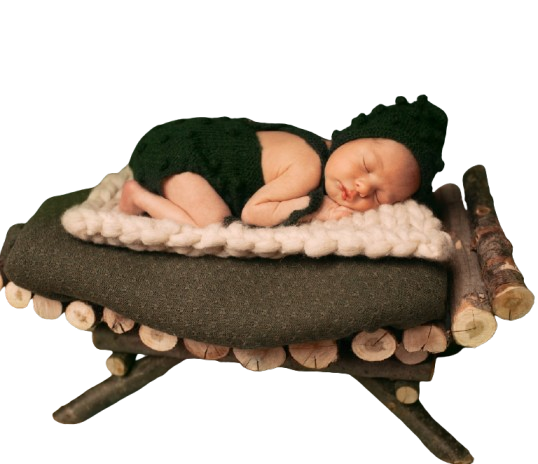
Newborn photography captures some of the most precious moments of your baby’s earliest days—those tiny fingers, soft curls, squishy cheeks, and peaceful sleepy poses. These portraits become lifelong memories for parents, and the demand for professional newborn photoshoots has grown tremendously in recent years.
But while the pictures may look serene and effortless, newborn photography requires strict safety standards, expert handling, and careful preparation. Babies are extremely delicate, especially within the first two weeks of life, and every pose—no matter how simple—should be done with their comfort and safety at the forefront.
This guide explains essential newborn photography safety tips every parent must know before booking a photographer or planning an at-home baby photoshoot. Your baby’s well-being is always more important than any pose or prop.
1. Safety Is Always the Priority, Not the Pose
No image is worth risking a newborn’s health or comfort. Professional newborn photographers follow the golden rule:
If a pose cannot be done safely, it should not be attempted at all.
Certain trendy poses like the froggy pose or hanging stork pose are safe only when executed as composite images—meaning the baby is supported at all times, and two photos are merged digitally.
Parents should ask photographers:
- Do you use composite techniques for advanced poses?
- Do you have training in newborn handling and posing?
- Are you familiar with safe posing guidelines?
A responsible photographer will prioritize the baby above aesthetics.
2. Make Sure the Photographer Is Trained in Newborn Handling
Handling a newborn requires knowledge and experience. Babies have:
- Fragile neck muscles
- Delicate joints
- Sensitive skin
- Unpredictable reflexes
A trained newborn photographer understands:
- How to support the head and neck
- Safe positioning for breathing
- How to wrap securely without restricting circulation
- Which poses require additional assistants
Before you book, check:
- Certifications in newborn safety or posing
- Experience with infants
- Reviews from other parents
- A portfolio showing safe, comfortable poses
Never hesitate to ask questions—your baby’s safety matters above all.
3. Keep the Studio Warm and Comfortable
Newborns lose heat quickly, especially when undressed for photos. A warm environment helps them sleep peacefully and stay calm during posing.
Ideal conditions:
- Room temperature: 28–30°C (82–86°F)
- Space heaters placed safely away from the baby
- No fans or direct cool air
- Warm blankets and heating pads (used safely)
Professional photographers pre-warm the shooting area and use soft, dry fabrics to maintain warmth.
4. Support the Baby’s Head and Neck at All Times
Newborns cannot support their own heads due to weak neck muscles. During any pose—whether tummy, side-lying, or wrapped—the head must always be supported.
Unsafe practices to avoid:
- Letting the head tilt backward
- Unsupported chin-on-hands poses
- Baby balancing on props without hand support
Always ensure a parent or assistant is close by with hands near the baby.
5. Avoid Advanced Poses Unless Done as Composite Images
Certain Instagram-famous poses are not naturally achievable without assistance.
Advanced poses that ALWAYS require composites:
- Froggy pose
- Head-on-hands pose
- Hanging baby pose
- Prop balancing poses
These are created by taking multiple photos while someone supports the baby and then editing hands out later.
If a photographer attempts these without assistance, stop the session immediately.
6. Choose Safe and Clean Props Only
Props are adorable in newborn photography, but they also pose risks if not used properly.
Safe prop checklist:
- Sturdy, stable, and wide enough to hold the baby
- No sharp edges, splinters, or rough surfaces
- Soft padding inside baskets, bowls, or crates
- No elevated props unless someone holds the baby
- Hypoallergenic fabrics only
- Sanitized items for each session
Avoid any prop that wobbles or requires balancing.
7. Never Leave the Baby Unattended—Even for a Second
A newborn can easily:
- Startle
- Roll slightly
- Slip from a comfortable position
That’s why hands must always be close by. Many professional photographers use a “spotter”—an assistant or parent positioned just inches away to ensure the baby’s safety during every pose.
8. Avoid Tight Wrapping or Restriction
Swaddling is safe when done correctly. Over-tightening can:
- Restrict breathing
- Affect blood circulation
- Cause hip dysplasia issues
Signs of safe wrapping:
- Baby’s legs can bend naturally
- Chest and ribs can expand for breathing
- Fingers and toes have good circulation (not purple or cold)
If the baby seems uncomfortable, unwrap immediately.
9. Monitor Baby’s Temperature During the Session
Overheating is a serious risk during newborn shoots because:
- The studio is warm
- Babies are wrapped in layers
- Props like fur or knit can trap heat
Watch for overheating signs:
- Sweaty skin
- Red cheeks
- Rapid breathing
- Fussiness
Let the baby rest and cool down if needed.
10. Use Natural Light Whenever Possible
Bright flashes can startle newborns. Professional photographers prefer:
- Window light
- Soft diffused light
- Continuous studio lighting
If flash is necessary, it should be heavily diffused and pointed away from the baby.
11. Maintain a Calm, Quiet Environment
Newborns pick up on stress and loud noises easily. The shooting space should feel:
- Peaceful
- Quiet
- Clean
- Free from distractions
Photographers often use:
- White noise machines
- Soft lullabies
- Gentle shushing techniques
A calm baby leads to calm, beautiful photos.
12. Respect the Baby’s Cues—Never Force a Pose
Every baby is unique. Not all babies will accept all poses, and that’s perfectly normal.
Signs to stop immediately:
- Crying or fussing
- Arching the back
- Difficulty breathing
- Discoloration
- Stiffness or discomfort
A pose should never be forced. Prioritize natural, comfortable positioning.
13. Take Frequent Breaks for Feeding and Comfort
Newborns need:
- Feeding every hour or two
- Burping
- Diaper changes
- Cuddles
Breaks ensure the baby feels safe, full, and happy during the session. A well-fed baby sleeps better, which is ideal for newborn posing.
14. Keep Hygiene a Top Priority
Newborns have sensitive immune systems, so cleanliness is critical.
Photographer hygiene essentials:
- Wash hands before handling the baby
- Use natural, fragrance-free sanitizers
- Clean blankets between sessions
- Wash props regularly
- Wear masks if needed (especially during flu season)
Parents should also bring:
- Extra diapers
- Wipes
- Baby-safe lotions
- A backup outfit
15. Always Have a Parent Close By
Parents should stay:
- Within reach
- Directly next to the baby for certain poses
- Alert and ready to intervene
Even the best photographers rely on parental presence for safety and comfort.
16. Choose Poses That Work With the Baby’s Natural Movements
Newborns often curl, stretch, yawn, and sleep in adorable positions. Natural, organic poses are usually the safest and sweetest.
Safe natural poses include:
- Side-lying pose
- Back pose
- Tucked-in pose
- Wrapped pose
- Parent-hand pose
- Over-the-shoulder pose
These poses highlight the baby’s features while keeping them fully comfortable.
17. Avoid Elevated Surfaces Unless Supported
Elevated poses look beautiful but are risky. If used, the baby must be:
- Fully supported
- Surrounded by cushions or beanbags
- Spotter holding the baby at all times
A baby should never be left on a high prop even for a second.
Final Thoughts:
Newborn photos are treasured forever, but no photo is worth compromising your baby’s safety. As a parent, you play a crucial role in ensuring the photoshoot environment is safe, calm, and professional.
By choosing a trained photographer, maintaining a warm environment, watching your baby’s cues, and prioritizing comfort over complex poses, you can enjoy a safe, beautiful, and memorable newborn photoshoot experience.
A safe baby equals beautiful photos. Always choose safety first.