The first year of your baby’s life is filled with incredible changes. In just twelve months, a tiny newborn who depends on you for everything gradually becomes an active, curious little explorer. Every smile, stretch, roll, laugh, and first step marks a milestone that parents treasure forever. While every child grows at their own pace, understanding the general stages of baby development can help you feel more confident as a parent and better prepared to support your little one’s growth.
For many new parents, it’s natural to wonder whether their baby is developing as expected. Questions like “When will my baby smile?”, “When should they start rolling over?” or “Is it normal that my baby isn’t crawling yet?” are common. The good news is that development isn’t a race. Babies reach milestones at different times depending on their individual growth, temperament, and environment.
Instead of comparing your baby with others, focus on encouraging healthy development through love, interaction, nutrition, and play. The first year is not only about physical growth, it is also a time when emotional bonding, communication, brain development, and sensory exploration lay the foundation for lifelong learning.
This month-by-month baby development guide explains what many parents can expect during the first year while offering practical tips to help make each stage enjoyable and memorable.
Month 1 – Adjusting to the New World
The first month is a period of adaptation. Your baby is getting used to life outside the womb, and almost every experience is completely new.
Common Development
During this stage, babies spend most of their time sleeping, feeding, and gradually becoming familiar with voices and faces. Although vision is still developing, newborns are naturally drawn to human faces, especially those of their parents.
You may notice your baby:
- Turns toward familiar voices
- Makes small facial expressions
- Responds to touch
- Grasps your finger with tiny hands
- Sleeps for long periods throughout the day
Parenting Tip
Skin-to-skin contact, gentle talking, and eye contact help strengthen emotional bonding and create a sense of security.
Month 2 – The First Social Smile
Around the second month, one of the most exciting milestones often appears—the social smile.
Unlike newborn reflex smiles, these smiles are intentional responses to familiar faces and voices.
Development Highlights
Your baby may:
- Smile while looking at you
- Follow moving objects with their eyes
- Begin cooing
- Lift their head briefly during tummy time
- Become more alert during awake periods
Parenting Tip
Talk to your baby frequently. Even simple conversations help develop early communication skills.
Month 3 – Growing Stronger Every Day
By three months, babies become much more interactive.
They enjoy observing their surroundings and begin recognizing family members more easily.
Common Milestones
You may notice:
- Better head control
- Longer periods of wakefulness
- Hands moving toward the mouth
- Increased curiosity
- Louder cooing sounds
Parenting Tip
Continue supervised tummy time daily to strengthen neck, shoulder, and back muscles.
Month 4 – Discovering the World
Everything becomes interesting at four months.
Your baby enjoys exploring through touch, sight, and sound.
Development Changes
Many babies begin:
- Rolling from tummy to back
- Laughing aloud
- Reaching for toys
- Recognizing familiar routines
- Showing excitement when parents enter the room
Parenting Tip
Offer colorful, age-appropriate toys with different textures to encourage sensory exploration.
Month 5 – Exploring Through Hands
Hand-eye coordination improves significantly.
Your baby becomes eager to touch everything nearby.
You May Observe
- Grasping toys independently
- Bringing objects to the mouth
- Responding to their own name occasionally
- Longer periods of play
- Increased curiosity
Parenting Tip
Provide safe objects for exploration while ensuring close supervision.
Month 6 – Halfway Through the First Year
Six months marks an exciting developmental stage.
Many babies become much more active and expressive.
Physical Development
Your baby may:
- Roll both directions
- Sit with support
- Laugh frequently
- Show different emotions
- Begin experimenting with sounds
Feeding Changes
Many families begin introducing complementary foods around this stage based on medical guidance.
Parenting Tip
Allow your baby to experience different safe textures, sounds, and activities that encourage learning.
Month 7 – Becoming More Mobile
Movement becomes increasingly important.
Many babies start finding ways to reach interesting objects.
Development Milestones
You may notice:
- Sitting independently
- Moving by rolling or scooting
- Recognizing familiar people immediately
- Increased babbling
- Curiosity about everything nearby
Parenting Tip
Create a safe environment that allows free movement and supervised exploration.
Month 8 – Little Explorer
At eight months, babies often become determined explorers.
Every object becomes something worth investigating.
Development Highlights
Your baby may:
- Crawl or begin attempting to crawl
- Transfer objects between hands
- Respond to simple words
- Show preferences for favorite toys
- Display stronger emotional attachment to parents
Parenting Tip
Baby-proof areas where your child spends time because mobility increases rapidly.
Month 9 – Learning Through Curiosity
Curiosity reaches another level.
Babies enjoy copying simple actions and watching everything adults do.
Common Skills
Many babies begin:
- Pulling themselves up
- Clapping
- Playing interactive games
- Understanding simple instructions
- Showing stranger awareness
Parenting Tip
Interactive games like peek-a-boo encourage social development and communication.
Month 10 – Practicing Independence
Confidence grows quickly during this stage.
Your baby enjoys trying new movements independently.
Development
Many babies:
- Cruise along furniture
- Wave goodbye
- Point at interesting objects
- Understand familiar routines
- Enjoy interactive play
Parenting Tip
Encourage exploration while maintaining a safe environment.
Month 11 – Communication Improves
Communication continues developing beyond babbling.
Your baby begins expressing needs more clearly.
You May Notice
- Simple gestures
- Pointing intentionally
- Better understanding of familiar words
- Improved balance
- Increased problem-solving abilities
Parenting Tip
Read picture books together every day.
Even short reading sessions encourage language development.
Month 12 – The First Birthday
The first birthday represents an incredible journey of growth.
Your baby has transformed from a newborn into an energetic little individual.
Common Milestones
Many one-year-olds:
- Take first independent steps
- Say simple words
- Follow basic instructions
- Show favorite toys
- Enjoy social interaction
Remember that some babies walk earlier while others take additional months.
Both situations can be completely normal.
Parenting Tip
Celebrate progress rather than comparing milestones with other children.
Understanding Development Beyond Physical Growth
Parents often focus on physical milestones.
However, development also includes:
Emotional Development
During the first year babies gradually learn:
- Trust
- Comfort
- Security
- Attachment
- Emotional expression
Responding consistently to your baby’s needs helps build emotional confidence.
Cognitive Development
Every interaction contributes to brain development.
Simple activities include:
- Talking
- Singing
- Reading
- Playing
- Exploring different textures
These everyday experiences strengthen learning.
Social Development
Babies learn social skills by observing family interactions.
Smiling, talking, making eye contact, and playing together help build communication abilities that continue developing throughout childhood.
Every Baby Develops Differently
One of the most important things new parents should remember is that milestones are general guidelines, not strict deadlines.
Some babies:
- Walk early.
- Talk later.
- Crawl briefly.
- Skip crawling completely.
- Smile sooner.
- Develop language gradually.
Healthy development happens across a wide range of normal timelines.
Avoid comparing your child with relatives, friends, or online milestone charts.
Supporting Healthy Development Every Month
Parents don’t need expensive educational products to encourage development.
Simple daily activities make the greatest difference.
These include:
- Talking throughout the day
- Reading books
- Singing songs
- Gentle tummy time
- Safe exploration
- Loving physical affection
- Consistent routines
- Responsive caregiving
These experiences strengthen both learning and emotional security.
Why Recording Milestones Matters
The first year passes remarkably quickly.
Many parents later wish they had documented more everyday moments.
Consider recording:
- First smile
- Rolling over
- Sitting independently
- First crawl
- First tooth
- First birthday
- Family interactions
- Everyday expressions
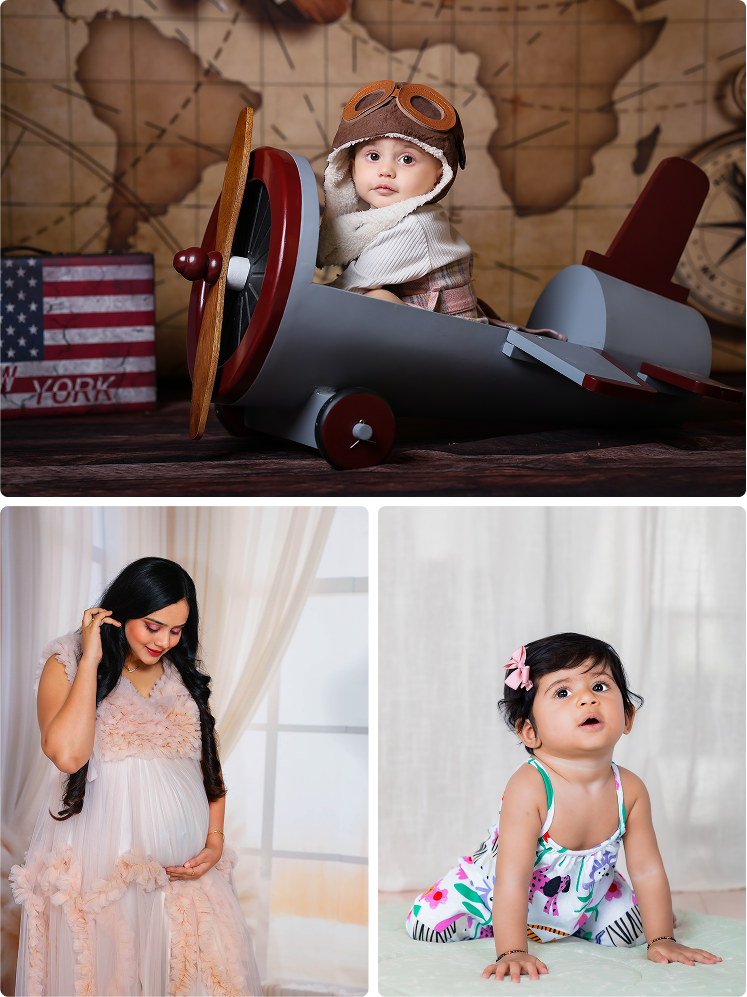
Professional milestone photography sessions throughout the first year beautifully preserve these fleeting stages. Looking back at these photographs allows families to appreciate just how much their little one changed from month to month. Rather than remembering only major milestones, these images capture tiny details; curious eyes, sleepy smiles, chubby hands, and joyful expressions that often fade from memory with time.
Final Thoughts
The first twelve months of your baby’s life are filled with extraordinary growth, discovery, and unforgettable moments. From the first smile and tiny coos to sitting, crawling, standing, and taking those exciting first steps, every month introduces new milestones that reflect your child’s unique journey. While developmental timelines offer helpful guidance, it’s important to remember that every baby grows at their own pace. Small differences in when milestones are reached are completely natural and should be viewed as part of your child’s individual development rather than a comparison with others.
As parents, your love, attention, and everyday interactions play one of the most important roles in supporting healthy growth. Talking, reading, cuddling, singing, and simply spending quality time together help build emotional security, strengthen brain development, and encourage confidence. These simple daily moments often have a greater impact than any expensive toy or structured activity.
Most importantly, take time to enjoy each stage instead of rushing toward the next one. The newborn days, first giggles, tiny fingers reaching for yours, and curious expressions pass more quickly than most parents expect. Celebrate every milestone, big or small, and create lasting memories along the way. Years from now, these everyday moments will become some of your family’s most treasured stories, reminding you just how incredible your baby’s first year truly was.