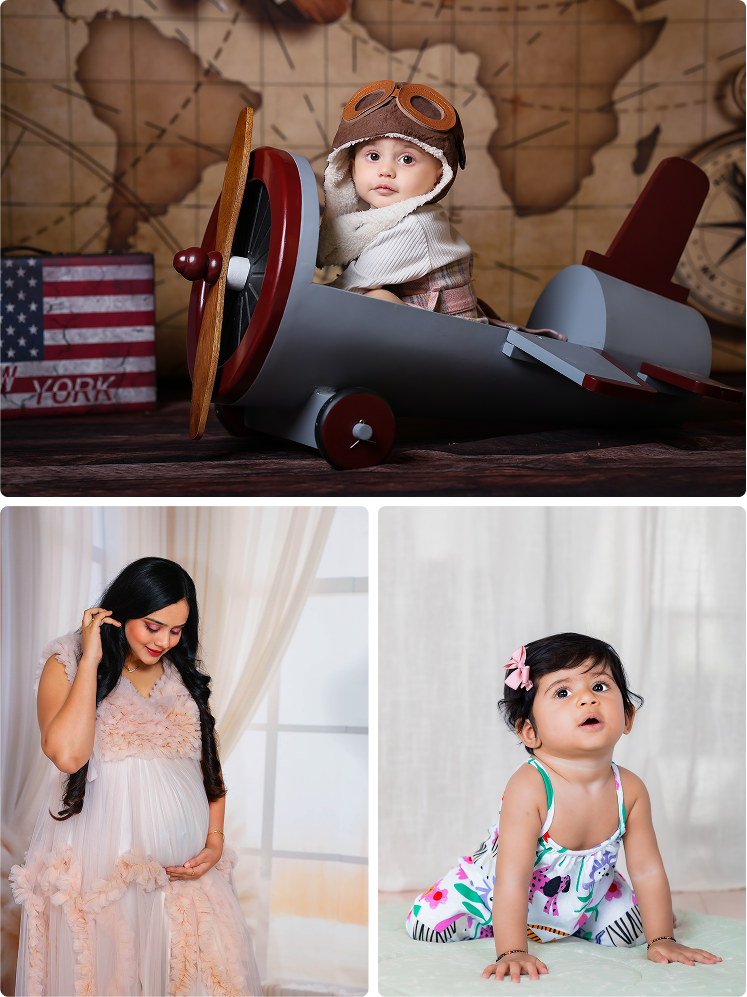
Children may not remember every toy they received, every restaurant they visited or every weekend activity they did when they were young. What often stays with them are the familiar things their family did together again and again.
A special breakfast on a birthday morning. A favorite story before bed. Making something together during a festival. Taking an annual family photograph. Visiting grandparents during a particular holiday. Choosing a Christmas decoration together every year.
These repeated moments can become family traditions.
Family traditions do not have to be expensive, elaborate or connected to a major celebration. Some of the most meaningful traditions are simple enough to repeat every week, month or year.
For parents of young children, starting traditions can be a way to create a sense of connection, belonging and continuity while building memories that children can carry into later life.
This guide explains how to create lasting family traditions with young children, how to choose traditions that fit your family’s lifestyle and how to keep them meaningful without turning them into another obligation.
What Is a Family Tradition?
A family tradition is an activity, ritual or way of celebrating that a family intentionally repeats over time.
It could happen:
- Every day
- Every week
- Every month
- On birthdays
- During festivals
- During school holidays
- At the beginning or end of a year
- Whenever the family reaches an important milestone
A tradition might be as simple as eating breakfast together on Sunday mornings or as elaborate as taking an annual family trip.
The defining feature is not how complicated the activity is.
It is the repetition and meaning attached to it.
When children experience something familiar year after year, it can become an important part of their understanding of family life.
Why Family Traditions Matter to Young Children
Young children experience the world through routines, relationships and repeated experiences.
A familiar family ritual can give children something predictable to look forward to.
Traditions can provide opportunities for:
- Family connection
- Shared experiences
- Conversation
- Participation
- Storytelling
- Creativity
- Celebrating important occasions
- Creating childhood memories
They can also give children opportunities to participate in family life rather than simply being observers.
For example, instead of parents preparing everything for a festival, a young child could help choose decorations, arrange a small part of the table or select a family activity.
The activity itself may be simple, but participating in it gives the child a role in the tradition.
Start With Your Family’s Existing Routines
You do not have to invent an entirely new tradition.
Look at things your family already enjoys doing.
Perhaps you already:
- Cook together on weekends
- Visit grandparents regularly
- Read bedtime stories
- Go for evening walks
- Take photographs during birthdays
- Have breakfast together
- Watch a movie on a particular day
- Celebrate festivals in a particular way
One of these routines may naturally become a family tradition.
The easiest traditions to maintain are usually those that fit into your existing lifestyle.
Choose Traditions That Are Easy to Repeat
A tradition is unlikely to last if it requires too much planning every time.
When choosing a new family tradition, ask:
Can we realistically do this again next year?
If the answer is yes, you have a good starting point.
For example, an annual family photograph is relatively easy to repeat.
A week-long elaborate celebration requiring significant travel and expense may be more difficult for a family to maintain.
There is nothing wrong with either approach, but simplicity often makes traditions easier to carry forward as children grow.
Create a Weekly Family Tradition
Not every family tradition needs to happen once a year.
Weekly traditions can become part of a child’s everyday understanding of family.
Ideas include:
Family breakfast
Choose one morning each week for everyone to have breakfast together without rushing.
Family walk
Take a short walk together and let children choose part of the route when appropriate.
Story night
Choose one evening when a parent, grandparent or sibling reads a story aloud.
Family game time
Play a simple age-appropriate game together.
Cooking together
Prepare something simple and allow children to participate in age-appropriate ways.
The activity matters less than the consistency.
Create Birthday Traditions
Birthdays naturally provide opportunities to establish traditions that children can anticipate each year.
You could:
- Prepare a favorite breakfast
- Let the birthday child choose a family activity
- Write a birthday letter
- Record their height or other age-appropriate details
- Take an annual family photograph
- Create a birthday video message
- Save one photograph from each birthday
- Ask the child what they enjoyed most about the past year
As children grow older, you can allow them to contribute their own ideas.
This turns a birthday tradition into something that evolves with the family.
Create an Annual Family Photograph Tradition
Photographs can help preserve family traditions visually.
Instead of taking photographs only when something unusual happens, consider creating one recurring family photograph each year.
You could take it:
- On a child’s birthday
- During a festival
- At the beginning of the school year
- During a family holiday
- At the end of each year
Try to keep one element consistent, such as the location, pose or type of photograph.
You can then compare the photographs as the children grow.
An annual family photograph does not have to be professionally produced. A phone camera and a simple setup can work perfectly well.
For families who want a more polished portrait, a professional family or child photography session can become part of the tradition.
Turn Festivals Into Family Traditions
Festivals and holidays naturally create opportunities for families to establish recurring rituals.
Instead of trying to make every celebration bigger each year, choose a few meaningful activities.
For example:
- Preparing a favorite family recipe
- Decorating the home together
- Visiting grandparents
- Creating a family photograph
- Telling children stories about previous celebrations
- Making handmade decorations
- Writing a short note about the year
- Preparing a special breakfast
The exact tradition will depend on your family’s culture, beliefs and preferences.
The important thing is that children recognize the experience as something your family does together.
Include Grandparents and Extended Family
Family traditions do not have to involve only parents and children.
Grandparents and extended family members can become an important part of recurring traditions.
For example:
- A monthly family lunch
- An annual photograph with grandparents
- A storytelling evening
- Cooking a traditional family recipe
- A yearly family gathering
- Sharing childhood stories with younger generations
These activities can help children understand that family stories and traditions can extend across generations.
If relatives live far away, technology can also make participation possible through video calls, recorded messages or shared photographs.
Let Children Participate
One of the biggest differences between a family activity and a meaningful family tradition is participation.
Young children can contribute in age-appropriate ways.
For example:
During a birthday:
Let the child choose a song or family activity.
During a festival:
Allow them to help with simple decorations.
During cooking:
Give them a safe, supervised task.
During a family photograph:
Let them choose a pose or location.
During story time:
Allow them to select the book.
Children do not need to control the tradition. Giving them a small role can make the experience feel like something that belongs to them too.
Create a Family Storytelling Tradition
Family stories can become traditions in themselves.
Once a month, or during special occasions, parents can tell children stories about:
- Their own childhood
- Grandparents
- Family celebrations
- How parents met
- Childhood vacations
- Funny family incidents
- The child’s early years
Young children may not understand every detail immediately.
As they grow, however, the same stories can take on new meaning.
You can also create a collection of photographs and stories that children can explore when they are older.
Keep a Family Memory Box
A memory box can complement your family traditions.
Choose a safe place to store meaningful items from different stages of childhood.
Depending on your family, this could include:
- Birthday cards
- Drawings
- Photographs
- Small keepsakes
- Letters
- Event invitations
- Notes about memorable moments
You do not need to save everything.
Choose items that genuinely represent a particular period or experience.
Over several years, the box can become a physical record of the family’s shared history.
Start a Family Letter Tradition
One simple tradition is to write a short letter to your child once a year.
A parent might write about:
- What the child enjoyed that year
- New interests
- Funny moments
- Family experiences
- Things the parent appreciates about the child
- Hopes for the coming year
The child does not need to read the letters immediately.
You can store them and give them to your child when they are older.
The letters can provide a perspective on childhood that photographs alone cannot capture.
Make Ordinary Days Feel Special
Family traditions do not have to be connected to major events.
An ordinary Friday evening can become meaningful if your family consistently does something together.
For example:
Friday Family Night
- Eat a favorite meal
- Put away phones for a while
- Play together
- Read a story
- Look through old photographs
- Talk about something enjoyable that happened during the week
The activity may take only an hour.
Its value comes from creating a predictable opportunity for family connection.
Don’t Make Every Tradition About Spending Money
A meaningful tradition does not require an expensive activity.
Some simple ideas include:
- Homemade pancakes on birthdays
- Evening walks
- Family storytelling
- Looking through old photographs
- Writing annual letters
- Cooking together
- Planting something together
- Watching the sunrise or sunset
- Creating handmade decorations
- Having a special family breakfast
Children often remember the feeling of doing something together more than how much it cost.
Allow Traditions to Change as Children Grow
A tradition that works for a two-year-old may not work exactly the same way when that child is ten.
That does not mean the tradition has failed.
It has evolved.
For example, a family may begin with:
Young child:
Parents choose a bedtime story.
School-age child:
The child chooses the story.
Older child:
Everyone takes turns reading.
The underlying tradition remains, while the child’s role changes.
This flexibility makes traditions more sustainable.
Don’t Force a Tradition That No Longer Works
Family traditions should create connection, not pressure.
If an activity consistently creates stress, consider changing it.
Families grow and circumstances change.
Work schedules, school, travel, new siblings and other responsibilities can affect what is practical.
It is perfectly reasonable to modify a tradition or replace it with something simpler.
The purpose is not to maintain a perfect record.
The purpose is to create meaningful shared experiences.
Create Traditions Around New Family Milestones
Major transitions can become opportunities to establish new traditions.
Examples include:
- Welcoming a new baby
- Starting preschool
- Starting school
- Moving to a new home
- Losing a baby tooth
- Learning a new skill
- Celebrating a first birthday
- Welcoming a new sibling
A family could create a photograph, write a short note or have a small celebration for these moments.
Over time, these records can show how the family has changed.
Combine Traditions With Photography
Photography can help families remember traditions long after the event has passed.
Instead of photographing only the final result, capture the process.
For example, during a family cooking tradition, photograph:
- Children helping
- Parents preparing ingredients
- Hands working together
- Family conversations
- The finished meal
- Everyone sitting together
These photographs tell a more complete story than a single posed photograph.
The same approach works for birthdays, festivals, holidays and annual family gatherings.
Create a “Same Photo, Different Year” Tradition
One particularly simple idea is to photograph your child in a similar setting each year.
You could use:
- The same chair
- The same doorway
- The same garden
- The same family location
- The same birthday backdrop
You don’t have to force the child into exactly the same pose.
The idea is simply to create a visual record of change.
Over several years, these photographs can become a fascinating family collection.
Create a Tradition of Looking Back
Creating memories is only part of the process.
Looking back at them can become a tradition too.
Once a year, gather the family and look through:
- Previous birthday photographs
- Holiday pictures
- Family albums
- Children’s drawings
- Videos
- Letters
- Memory books
Ask children what they remember.
As they become older, they may start telling their own stories about the photographs.
This can turn family memories into conversations between generations.
How to Make Family Traditions Last
If you want a tradition to continue for years, keep these principles in mind:
Make it realistic
Choose something your family can actually repeat.
Make it meaningful
Connect the tradition to something your family values.
Make it participatory
Give children an age-appropriate role.
Keep it flexible
Allow the tradition to change as children grow.
Don’t compete with other families
Your tradition does not need to look impressive on social media.
Focus on connection
The people involved matter more than the activity itself.
Family Tradition Ideas by Frequency
If you’re looking for practical ideas, consider organizing them by how often you want them to happen.
Daily
- Bedtime story
- Family meal
- Goodnight conversation
- Sharing one happy moment from the day
Weekly
- Family breakfast
- Movie night
- Family walk
- Cooking together
- Game time
Monthly
- Family outing
- Photograph of the children
- Visit to grandparents
- Special family meal
- Family storytelling session
Yearly
- Birthday photograph
- Birthday letter
- Family vacation
- Festival tradition
- Annual family portrait
- Memory-book update
- Looking through photographs from the previous year
You do not need to adopt all of these.
Choose one or two that genuinely suit your family.
A Simple Way to Start Your First Family Tradition
If you have never created a family tradition before, start small.
Try this five-step approach:
Step 1: Choose something your family already enjoys.
It could be cooking, reading, walking or taking photographs.
Step 2: Decide how often you will do it.
Weekly, monthly or yearly are all possibilities.
Step 3: Give it a recognizable name.
For example, “Sunday Pancake Morning” or “Annual Family Photo Day.”
Step 4: Involve the children.
Let them make an age-appropriate contribution.
Step 5: Document it occasionally.
Take a photograph or write a short note so you can look back on the tradition later.
That’s enough to begin.
Final Thoughts
Creating lasting family traditions with young children does not require elaborate celebrations or expensive experiences.
The traditions children remember often come from simple things repeated with love and consistency: eating together, telling stories, celebrating birthdays, visiting family, taking annual photographs or spending uninterrupted time together.
Start with something that feels natural to your family.
Allow your children to participate. Let the tradition change as they grow. And don’t worry if some years look different from others.
What matters is that children experience recurring moments of connection and gradually build their own understanding of what makes your family special.
Years later, a simple tradition may become one of the childhood memories your child talks about most.