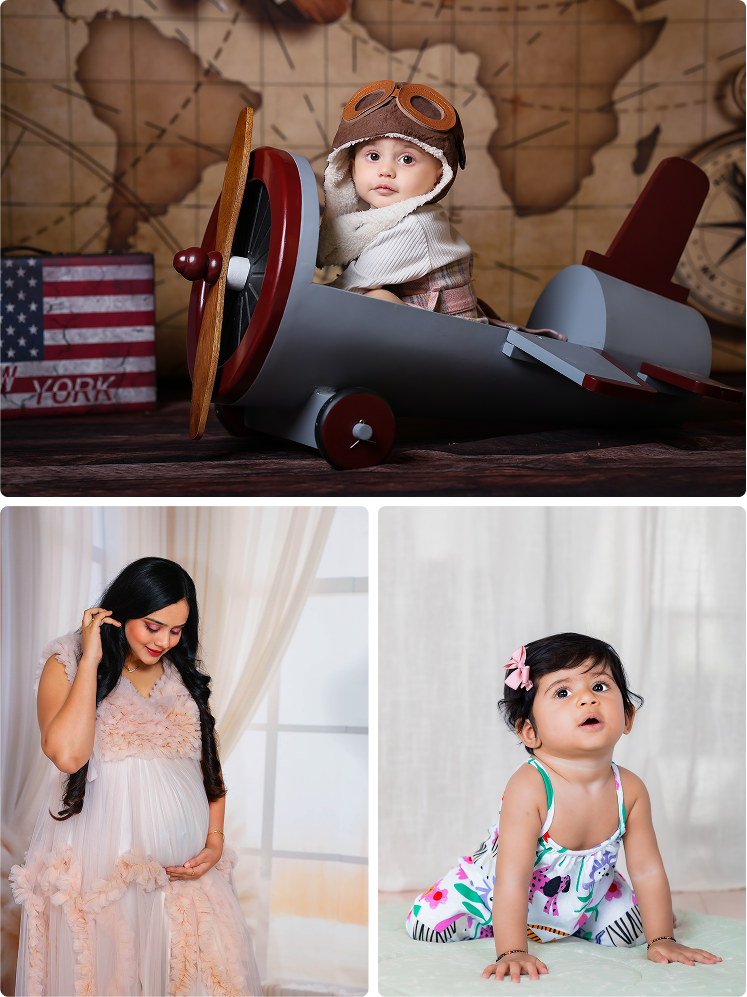
Parents often spend weeks planning a baby photoshoot. They choose adorable outfits, discuss themes, prepare props, and coordinate schedules. Yet one of the most important factors influencing the outcome of a baby photoshoot is often overlooked: sleep.
A baby’s sleep pattern has a direct impact on mood, comfort, cooperation, and overall photography results. While professional photographers are skilled at working with babies of all temperaments, understanding your baby’s natural sleep routine can significantly improve the experience and help create beautiful, authentic photographs.
Babies experience the world differently than adults. A missed nap or disrupted sleep schedule may seem minor to a parent, but for a baby, it can affect everything from emotional regulation to energy levels. On the other hand, a well-rested baby is often more alert, comfortable, and ready to engage with their surroundings.
Whether you’re planning a newborn session, milestone photography, a sitter session, or a first birthday shoot, understanding the connection between sleep and photography can help you get the most from your experience.
Why Sleep Is So Important for Babies
Sleep plays a critical role in a baby’s growth and development.
During sleep, babies:
- Process new experiences
- Support brain development
- Restore energy
- Regulate emotions
- Strengthen memory and learning
Because babies rely heavily on sleep for healthy development, even small disruptions can affect their mood and behavior.
A tired baby may struggle to remain comfortable during a photoshoot, while a well-rested baby is often more relaxed and responsive.
How Sleep Influences Baby Mood
One of the biggest factors affecting photography results is the baby’s emotional state.
A baby who has slept well is often:
- Happier
- More curious
- More cooperative
- More expressive
A baby who is overtired may become:
- Fussy
- Irritable
- Difficult to soothe
- Easily overwhelmed
Since baby photography focuses heavily on natural expressions, sleep can significantly influence the final images.
The Difference Between Sleepy and Overtired
Many parents assume that a sleepy baby and an overtired baby behave similarly.
In reality, they are very different.
Sleepy Baby
A baby who is naturally ready for a nap may:
- Yawn occasionally
- Become calm
- Settle easily
- Fall asleep comfortably
Overtired Baby
A baby who has missed sleep may:
- Cry excessively
- Resist sleep
- Become overstimulated
- Struggle to settle
For photography purposes, a naturally rested baby is generally easier to work with than an overtired baby.
Why Newborn Photography Relies on Sleep
Newborn photography is perhaps the clearest example of how sleep affects results.
Many classic newborn portraits feature babies who appear:
- Peaceful
- Relaxed
- Comfortable
- Deeply asleep
This isn’t achieved by forcing sleep.
Instead, photographers work around the baby’s natural sleep cycles.
When newborns are well-fed and comfortable, they often drift naturally into deeper sleep, allowing photographers to capture those iconic images.
Sleep Helps Create Relaxed Newborn Poses
Newborn photography often involves carefully supported positions designed for comfort and safety.
A sleeping newborn is generally:
- Less startled by movement
- More relaxed
- Easier to position safely
This allows photographers to work slowly and gently while prioritizing the baby’s well-being.
Sleep contributes to a smoother session because the baby feels secure and comfortable.
Why Awake Babies Can Also Create Beautiful Photos
Although sleeping newborn portraits are popular, awake photographs can be equally meaningful.
A well-rested awake baby may display:
- Bright eyes
- Curious expressions
- Eye contact
- Personality
The goal is not simply sleep.
The goal is comfort.
Whether the baby is awake or asleep, comfort usually leads to better photographs.
Sleep Patterns Matter for Milestone Sessions Too
As babies grow, their sleep needs evolve.
Milestone sessions often occur during stages such as:
- Three months
- Six months
- Nine months
- Twelve months
At these ages, babies are more interactive and expressive.
A well-rested baby is often more willing to:
- Smile
- Explore
- Sit independently
- Engage with toys
- Interact with parents
When naps are missed, these behaviors can become more difficult to capture.
The Best Time to Schedule a Photoshoot
One of the most effective ways to improve photography results is scheduling the session around your baby’s natural sleep routine.
Parents know their babies best.
Some babies are happiest:
- Shortly after a morning nap
Others may be most alert:
- After an afternoon rest
The ideal time varies from child to child.
The goal is to schedule the session when the baby is naturally rested and content.
Why Morning Sessions Often Work Well
Many photographers prefer morning sessions for younger children.
There are several reasons for this.
Babies are often:
- Well-rested
- Recently fed
- Less overstimulated
Morning sessions can provide a calm environment before the distractions of the day begin to accumulate.
However, every baby is different, and the best schedule should always align with the baby’s individual routine.
The Impact of Missed Naps
A missed nap may seem harmless, but its effects can become noticeable during a photoshoot.
Common signs of nap-related fatigue include:
- Increased fussiness
- Reduced attention span
- Difficulty smiling
- Clinginess
- Frequent crying
Parents sometimes worry that their baby simply isn’t cooperating.
In reality, the baby may simply be tired.
Respecting nap schedules often prevents these challenges.
Why Overtired Babies Become Harder to Photograph
Many people assume tired babies will fall asleep quickly.
Unfortunately, overtired babies often do the opposite.
When babies become excessively tired, they may produce higher levels of stress hormones.
This can make it harder for them to:
- Relax
- Sleep
- Stay calm
As a result, the session may become more challenging than if the baby had rested beforehand.
Sleep Affects Facial Expressions
One of the main goals of baby photography is capturing authentic expressions.
Well-rested babies often display:
- Curiosity
- Joy
- Wonder
- Engagement
Tired babies may appear:
- Distracted
- Frustrated
- Less expressive
Since expressions are central to meaningful photography, sleep plays an important role in image quality.
Better Sleep Often Means Better Eye Contact
Eye contact creates emotional connection in photographs.
Parents love images where babies appear to:
- Look directly at the camera
- Focus on family members
- Observe their surroundings
A rested baby is often more attentive and visually engaged.
This can lead to stronger, more compelling photographs.
Sleep Helps Babies Handle New Environments
Photography sessions often involve unfamiliar surroundings.
Babies may encounter:
- Different lighting
- New sounds
- Unfamiliar people
- New props
A well-rested baby is generally better equipped to process these experiences calmly.
Tired babies may become overwhelmed more easily.
Sleep provides the emotional foundation needed to adapt to new situations.
The Connection Between Sleep and Feeding
Sleep and feeding are closely linked during infancy.
A baby who has recently:
- Slept well
- Fed comfortably
is often in the best possible mood for photography.
This combination supports:
- Comfort
- Energy
- Emotional stability
Many successful sessions are scheduled around both feeding and sleep routines.
How Professional Photographers Adapt to Sleep Needs
Experienced baby photographers understand that sleep patterns vary.
Rather than forcing a schedule, they often:
- Allow flexibility
- Take breaks when needed
- Adjust session flow
- Follow the baby’s cues
This baby-led approach helps create a more relaxed experience for everyone involved.
Why Flexibility Is More Important Than Perfection
Parents sometimes worry if their baby doesn’t follow the usual routine on the day of the session.
Fortunately, perfection is not required.
Babies are naturally unpredictable.
Even with careful planning:
- Naps may be shorter
- Sleep times may shift
- Routines may change
Flexibility often matters more than strict scheduling.
The best photographers understand how to adapt while keeping the baby comfortable.
Common Signs Your Baby May Need Rest
During a session, photographers and parents may notice signs that the baby needs a break.
These signs include:
- Yawning
- Eye rubbing
- Fussiness
- Reduced interaction
- Difficulty focusing
Recognizing these signals early can help prevent overstimulation and improve the overall experience.
Sleep Quality Matters More Than Sleep Quantity
Many parents focus on how long their baby slept.
However, sleep quality is equally important.
A baby who enjoys restful, uninterrupted sleep may feel more refreshed than a baby who slept longer but woke frequently.
Understanding your child’s individual sleep patterns helps create realistic expectations for the session.
Why Parents Should Avoid Disrupting Routines
Some parents intentionally keep babies awake before a photoshoot, hoping they will sleep during the session.
This strategy often backfires.
An overtired baby may become:
- Fussy
- Difficult to soothe
- Resistant to sleep
Maintaining normal routines is generally the safest approach.
Babies tend to perform best when their regular patterns are respected.
Creating a Relaxed Photography Experience
The most successful baby photoshoots focus on the baby’s comfort rather than rigid schedules.
When sleep needs are respected, babies are more likely to:
- Relax naturally
- Explore confidently
- Smile genuinely
- Interact comfortably
These behaviors create photographs that feel authentic and emotionally meaningful.
The Long-Term Value of Timing Sessions Well
A baby photoshoot captures a moment that cannot be recreated later.
While props, outfits, and backgrounds are important, genuine emotions are what make photographs memorable.
Proper sleep helps babies show their:
- Personality
- Curiosity
- Happiness
- Natural expressions
These are the moments families cherish for years.
Final Thoughts
Sleep patterns play a far greater role in baby photography than many parents realize. A well-rested baby is generally more comfortable, emotionally balanced, and ready to engage with the world around them. Whether your baby is sleeping peacefully during a newborn session or smiling brightly during a milestone shoot, sleep helps create the conditions needed for beautiful and authentic photographs.
Rather than trying to adjust your baby’s routine specifically for photography, focus on working with their natural sleep schedule. Respecting nap times, planning sessions around periods of alertness, and remaining flexible when routines change can dramatically improve the experience.
At the heart of every successful baby photoshoot is a comfortable baby. And one of the most effective ways to support that comfort is ensuring they get the rest they need before stepping in front of the camera.