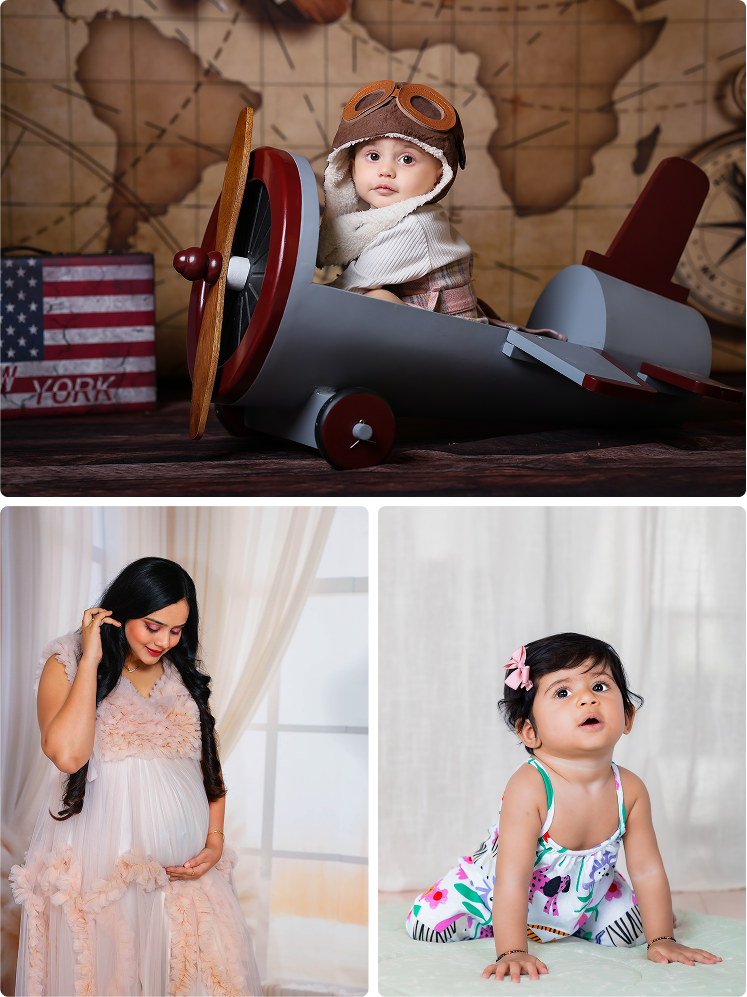
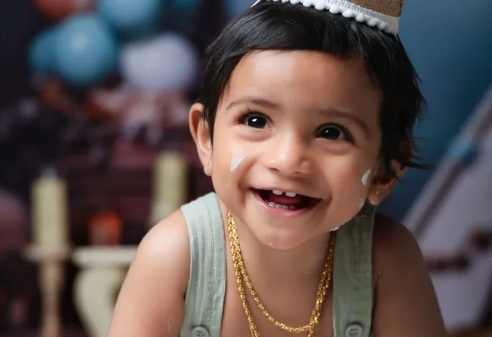
The first year of a baby’s life is often described as a blur, and for good reason. One day, you’re bringing your newborn home from the hospital, and before you know it, they’re sitting up independently, taking their first steps, and celebrating their first birthday.
Parents often hear people say, “They grow up so fast,” but it is only after looking back at old photographs that the reality truly sinks in. The tiny fingers become little hands. The sleepy newborn stretches become energetic crawls. The first tooth appears, the first smile becomes a laugh, and every month seems to bring a completely different version of your child.
Because babies change so dramatically during their first year, many parents wonder:
How often should we schedule baby photoshoots during the first year?
The answer depends on your goals, budget, and the memories you want to preserve. However, professional photographers and child development experts generally agree that certain milestones are particularly meaningful because they capture unique stages that never happen again.
In this guide, we’ll explore the ideal baby photoshoot timeline and explain why each stage deserves to be remembered.
Why the First Year Deserves Multiple Photoshoots
Unlike older children who may look relatively similar over a period of months, babies transform rapidly.
During the first year, your baby experiences:
- Physical growth
- Facial changes
- Emotional development
- Motor skill milestones
- Personality emergence
- Social interaction development
A photo taken at two weeks old looks entirely different from one taken at six months.
This rapid transformation is why many parents choose multiple milestone sessions instead of relying on a single photoshoot.
Each stage tells a different chapter of your baby’s story.
The Newborn Session (5–14 Days)
The newborn phase is often considered the most irreplaceable stage in baby photography.
During the first two weeks, babies still retain many characteristics from the womb:
- Curled-up positions
- Sleepy expressions
- Tiny features
- Delicate skin details
- Peaceful poses
After the first few weeks, babies become more alert and stretch out naturally, making certain newborn poses more difficult.
A newborn photoshoot captures:
- Tiny fingers and toes
- Soft facial features
- Sleepy moments
- Parent-baby bonding
- The earliest days of life
For many families, this becomes the foundation of their baby’s photographic journey.
One Month: The Transition Stage
Many parents skip the one-month milestone because babies are still developing their visual engagement and expressions.
However, this stage has its own charm.
Around one month, babies begin:
- Becoming more alert
- Focusing on faces
- Displaying early expressions
- Showing subtle personality traits
While not always a standalone professional session, this period can be documented through lifestyle photography or family portraits.
The 100-Day Milestone
In many cultures, the 100-day milestone carries special significance.
By this stage, babies often:
- Hold eye contact
- Display stronger expressions
- Smile more frequently
- Become more responsive
A 100-day photoshoot creates a beautiful bridge between newborn photography and later milestone sessions.
Many parents appreciate this stage because babies appear more interactive while still maintaining much of their infant charm.
The 3-Month Session: Personality Begins to Shine
Around three months, babies start becoming noticeably expressive.
You may notice:
- Social smiles
- Curiosity
- Recognition of familiar faces
- Increased eye contact
At this age, photographers can often capture more engaging facial expressions compared to the newborn stage.
Parents also begin noticing the emergence of their baby’s unique personality.
The photographs from this phase often feel more interactive and emotionally expressive.
The 6-Month Session: One of the Most Popular Milestones
If parents can schedule only one milestone session during the first year, six months is often the most recommended age.
Why?
Because babies at six months typically offer the perfect combination of:
- Smiles
- Eye contact
- Interaction
- Chubby features
- Stable sitting ability
This stage is often referred to as the “golden age” of baby photography.
Most babies can sit with support or independently, which creates numerous posing possibilities.
Photographs from this stage often showcase:
- Bright smiles
- Chubby cheeks
- Playful expressions
- Emerging personalities
For many families, six-month portraits become some of their favorite images from the entire first year.
The 8- to 9-Month Stage: Crawling Adventures
Around eight to nine months, babies become highly active.
Common milestones include:
- Crawling
- Pulling themselves up
- Exploring surroundings
- Increased curiosity
This stage captures movement and discovery.
Unlike the calm newborn phase, these sessions often focus on:
- Natural interactions
- Exploration
- Playfulness
- Dynamic expressions
Photographs taken during this stage reveal a baby’s growing independence.
Parents often love these images because they showcase personality in a very authentic way.
The 10-Month Session: The Emerging Toddler
By ten months, babies often begin looking less like infants and more like toddlers.
Their faces mature noticeably.
Many babies start:
- Standing with support
- Cruising along furniture
- Showing strong emotional expressions
- Demonstrating clear preferences
A photoshoot at this stage captures the transition between babyhood and toddlerhood.
This period is often overlooked but can produce incredibly meaningful images.
The First Birthday Photoshoot
The first birthday is arguably the most celebrated milestone of the entire year.
A first birthday photoshoot serves several purposes:
- Celebrates the baby’s growth
- Marks a major family achievement
- Creates memories before toddlerhood begins
Popular first birthday photography themes include:
- Simple milestone portraits
- Cake smash sessions
- Family celebrations
- Personalized themes
Many parents choose to display first birthday portraits at birthday parties and later preserve them in albums.
Why Monthly Photos Can Be Worth It
While professional sessions are often scheduled around major milestones, many parents document growth monthly.
Monthly photographs create a visual timeline showing:
- Physical growth
- Facial changes
- Personality development
Ideas include:
- Monthly blankets
- Milestone cards
- Growth charts
- Consistent backgrounds
When viewed together, these images beautifully illustrate the rapid changes that occur during the first year.
Best Baby Photoshoot Timeline
For parents seeking a balanced approach, the following timeline often works well:
Essential Milestones
- Newborn (5–14 days)
- Six Months
- First Birthday
Expanded Milestone Package
- Newborn
- 100 Days
- Six Months
- Nine Months
- First Birthday
Complete First-Year Story
- Newborn
- Three Months
- Six Months
- Nine Months
- First Birthday
This progression creates a complete visual record of your baby’s first year.
Why Some Milestones Matter More Than Others
Every stage is special.
However, some milestones capture changes that are particularly dramatic.
For example:
Newborn to Three Months
The transformation from sleepy newborn to socially engaged infant is remarkable.
Three Months to Six Months
Personality becomes more visible.
Six Months to Nine Months
Mobility increases dramatically.
Nine Months to One Year
Babies begin transitioning toward toddlerhood.
These shifts make milestone photography especially meaningful.
The Emotional Value of Multiple Sessions
Parents often assume milestone photography is primarily about documenting physical growth.
In reality, the emotional changes are equally important.
Photographs capture:
- Parent-child bonding
- Family dynamics
- Expressions of joy
- Personality development
Years later, these details often become more meaningful than measurements or milestone charts.
Images allow families to relive emotions that might otherwise fade with time.
What Happens If You Miss a Milestone?
Many parents worry that they’ve waited too long.
The good news is that there is no “wrong” time for baby photography.
Every stage offers unique opportunities.
Whether your baby is:
- Three months old
- Seven months old
- Eleven months old
there are meaningful moments worth capturing.
The best time to schedule a session is simply now.
Because every day brings new changes.
Creating a First-Year Photo Album
One of the best ways to enjoy milestone photography is by creating a dedicated first-year album.
A thoughtfully designed album tells a complete story:
- Birth
- Early bonding
- Smiles
- Sitting
- Crawling
- First birthday
Unlike digital files buried in folders, albums become family heirlooms that can be revisited for decades.
Many parents say their first-year album becomes one of their most treasured possessions.
Why Professional Milestone Photography Matters
Smartphones make it easy to take thousands of photos.
However, professional photography offers something different.
Professional photographers understand:
- Timing
- Lighting
- Composition
- Expression capture
- Storytelling
They create images that feel intentional and timeless.
While everyday snapshots are valuable, milestone photography preserves important stages with a level of artistry and consistency that casual photos often cannot achieve.
Choosing the Right Frequency for Your Family
Ultimately, there is no universal rule.
Some families choose:
- One newborn session
- One first birthday session
Others prefer documenting every milestone.
The ideal schedule depends on:
- Personal preferences
- Budget
- Family traditions
- Memory goals
The most important thing is ensuring that key stages are preserved before they disappear.
Because once a milestone passes, it becomes part of the past.
Conclusion
The first year of a baby’s life is filled with extraordinary growth, transformation, and unforgettable moments. From the sleepy newborn days to the excitement of a first birthday celebration, every stage brings something unique worth remembering.
For most families, the ideal baby photography timeline includes a newborn session, a six-month milestone session, and a first birthday photoshoot. Parents seeking a more complete visual story may choose additional sessions at three, nine, or even twelve months.
The goal isn’t simply to collect photographs.
It’s to preserve a journey.
Years from now, when your child has grown, these images will serve as a reminder of just how quickly the first year passed and how many beautiful moments were experienced along the way.
Because while babies may not stay little forever, the memories captured through thoughtful photography can last a lifetime.