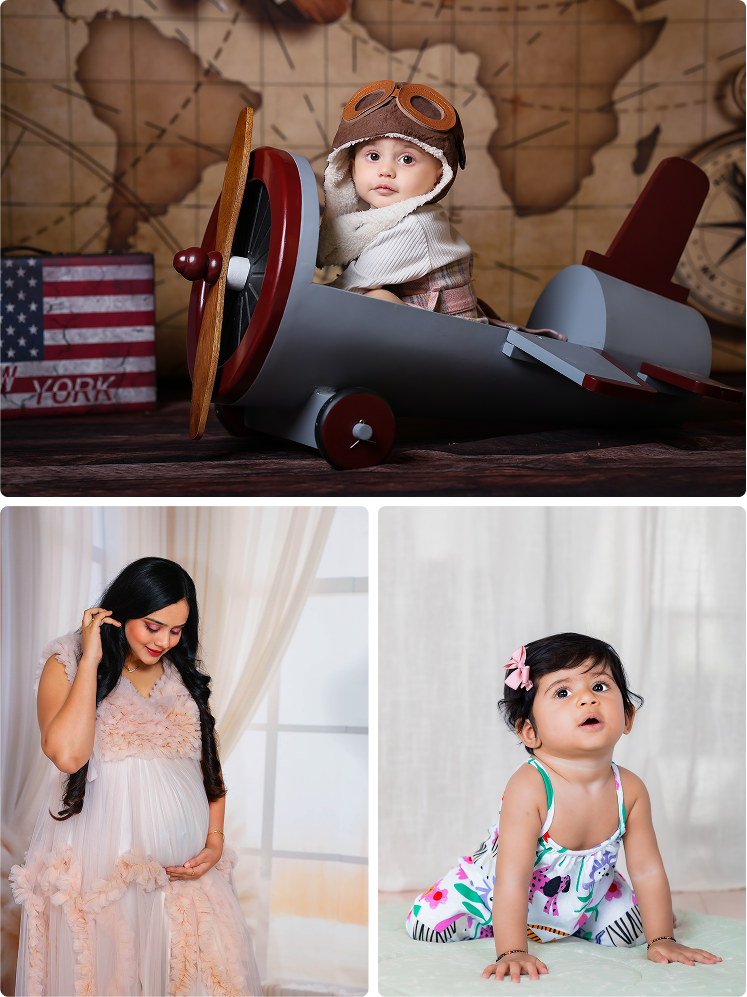
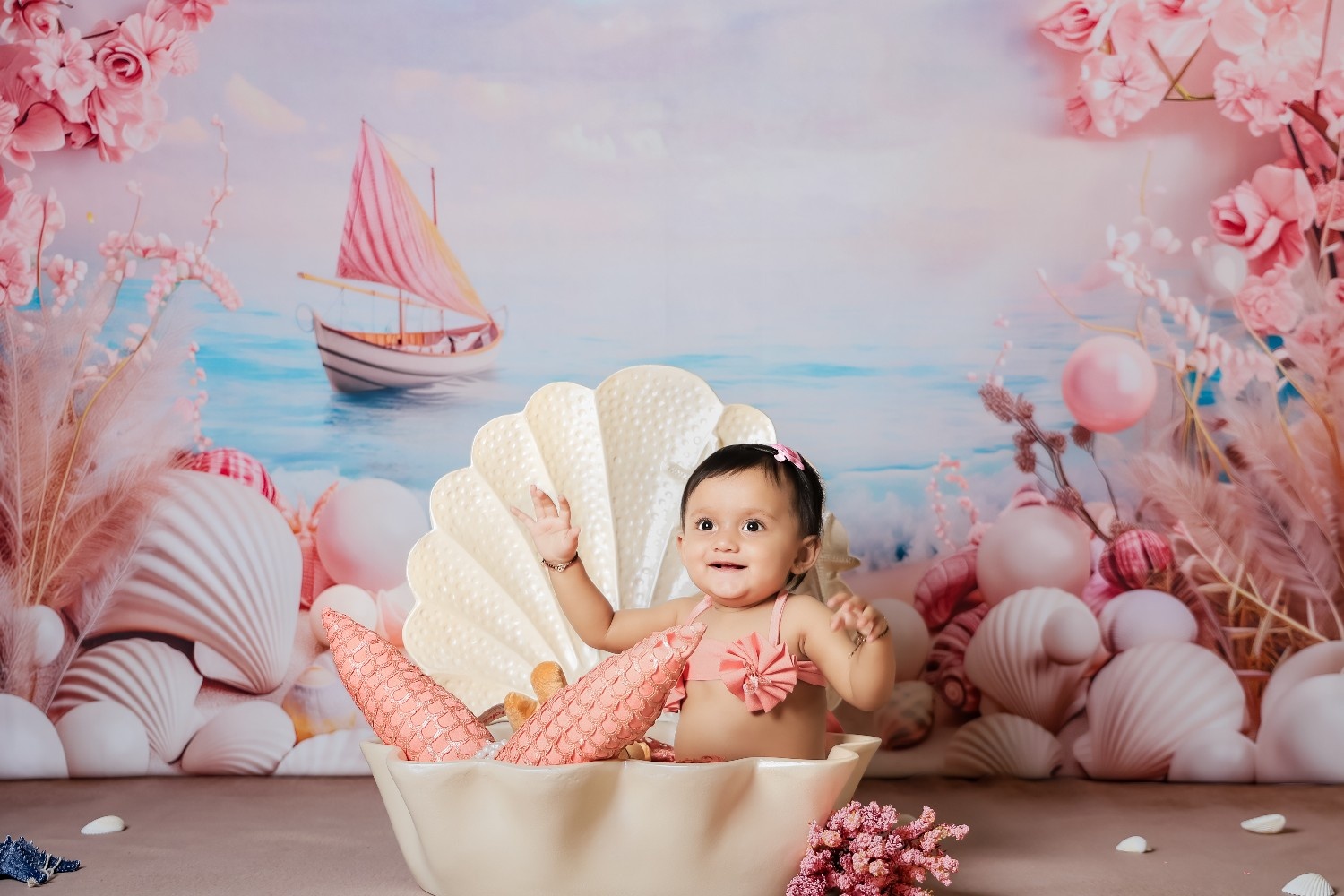
One of the most common questions parents ask before booking a baby photoshoot is, “How long will the session take?” It’s a practical concern because babies don’t operate on schedules the way adults do. They need feeding breaks, diaper changes, cuddles, naps, and plenty of patience.
Many parents imagine a photoshoot lasting just 20 or 30 minutes, while others worry they might spend an entire day in front of the camera. The reality usually falls somewhere in between.
The duration of a baby photoshoot depends on several factors, including the baby’s age, the type of session, the number of outfit changes, family participation, and the baby’s mood on the day of the shoot. Professional photographers understand that babies require flexibility, which is why baby photography sessions are designed differently from adult portrait sessions.
Understanding what influences photoshoot timing can help parents plan their day, manage expectations, and feel more relaxed before the session begins.
In this guide, we’ll explore how long different types of baby photoshoots usually take, what happens during that time, and why longer doesn’t always mean better.
Why Baby Photoshoots Take Longer Than Regular Portrait Sessions
Photographing babies is very different from photographing adults.
Adults can:
- Follow directions
- Hold poses
- Smile on command
- Adjust quickly
Babies, however, have their own priorities.
They may suddenly become:
- Hungry
- Sleepy
- Curious
- Fussy
- Playful
A professional photographer works around the baby’s natural behavior instead of forcing a schedule.
This flexibility is one reason baby photoshoots often take longer than parents expect.
There Is No One-Size-Fits-All Duration
A common misconception is that every baby photoshoot lasts the same amount of time.
In reality, session lengths vary depending on:
- Baby’s age
- Session type
- Number of setups
- Outfit changes
- Family involvement
- Baby’s comfort level
A newborn session and a first birthday session, for example, can differ significantly in duration.
How Long Does a Newborn Photoshoot Take?
Newborn photography sessions are typically the longest.
Average duration:
2 to 4 hours
Some newborn sessions may even extend beyond four hours when additional breaks are required.
Why do newborn sessions take longer?
Because newborn photography involves:
- Feeding breaks
- Swaddling adjustments
- Diaper changes
- Settling techniques
- Sleep transitions
Photographers work patiently to create a calm environment where the baby feels secure.
The actual photography may only take a portion of the session. Much of the time is dedicated to keeping the baby comfortable.
Why Newborn Sessions Cannot Be Rushed
Newborn photography relies heavily on the baby’s comfort and sleep patterns.
Attempting to rush the process can result in:
- Increased fussiness
- Missed opportunities
- Stress for parents
- Less natural photographs
Professional photographers understand that patience often produces the best results.
The extra time allows the session to progress according to the baby’s needs.
How Long Do Milestone Photoshoots Take?
Milestone sessions are generally shorter than newborn photography.
Average duration:
45 minutes to 1.5 hours
Milestone sessions often celebrate stages such as:
- Three months
- Six months
- Nine months
- One year
At these ages, babies are typically more alert and interactive.
Because they spend less time sleeping and more time engaging with their surroundings, photographers can work more efficiently.
Sitter Session Duration
Sitter sessions are usually scheduled when babies can sit independently.
Average duration:
45 minutes to 90 minutes
This age is often considered one of the easiest stages for photography because babies are:
- Curious
- Expressive
- Stable while sitting
- Easily entertained
Photographers can often capture a wide variety of expressions and poses within a relatively short period.
How Long Does a Cake Smash Photoshoot Take?
Cake smash sessions are popular for first birthdays.
Average duration:
1 to 2 hours
These sessions often include three stages:
Stage 1: Portraits
Traditional birthday photographs.
Stage 2: Cake Smash
The baby interacts with the cake.
Stage 3: Cleanup or Splash Session
Some photographers include a bath or cleanup setup afterward.
Because multiple setups are involved, these sessions typically require more time than standard milestone photography.
Family Participation Affects Timing
When parents and siblings participate, session length may increase slightly.
Family photographs require:
- Additional posing
- Group coordination
- Outfit adjustments
However, these images are often among the most cherished photographs from the session.
The extra time is usually worthwhile.
Outfit Changes Can Extend the Session
Many parents enjoy having multiple looks during a photoshoot.
Each outfit change requires time for:
- Dressing the baby
- Adjusting accessories
- Calming the baby if needed
The more outfit changes included, the longer the session tends to be.
A typical session may include:
- One primary outfit
- One themed outfit
- One family portrait outfit
Limiting outfit changes can help keep the session efficient while still providing variety.
Feeding Breaks Are Part of the Process
One reason baby photoshoots take longer is the need for feeding breaks.
Babies don’t understand photography schedules.
When they are hungry, feeding takes priority.
Professional photographers expect these interruptions.
Feeding breaks often help:
- Improve comfort
- Reduce fussiness
- Encourage relaxation
- Create better expressions
Parents should never feel rushed during feeding time.
A content baby is usually easier to photograph.
Diaper Changes Add Extra Time
Diaper changes are another normal part of baby photography.
Particularly during newborn sessions, multiple diaper changes may be required.
Professional photographers build flexibility into their schedules because these interruptions are expected.
Diaper changes are simply part of working with babies.
What Happens During the Session?
Many parents assume photography takes place continuously throughout the entire session.
In reality, a typical session includes several activities:
Settling the Baby
Helping the baby become comfortable.
Feeding Breaks
Allowing the baby to eat when needed.
Outfit Changes
Switching between planned looks.
Setup Adjustments
Changing props, backgrounds, or arrangements.
Actual Photography
Capturing images during ideal moments.
Only a portion of the session involves actively taking photographs.
Much of the time is spent creating the conditions needed for great images.
The Baby’s Mood Influences Session Length
Every baby has different energy levels and moods.
Some babies:
- Smile easily
- Engage immediately
- Adapt quickly
Others may need additional time to feel comfortable.
Professional photographers understand how to adjust their pace based on the baby’s personality.
Sessions often move more efficiently when babies feel relaxed.
Why Shorter Isn’t Always Better
Parents sometimes ask for very short sessions.
While brief sessions may sound convenient, they can create challenges.
A rushed session leaves little room for:
- Feeding
- Comfort breaks
- Natural expressions
- Spontaneous moments
The best photographs often emerge after babies have settled into the experience.
Allowing sufficient time improves the chances of capturing genuine emotions.
How Professional Photographers Maximize Time
Experienced baby photographers use various techniques to work efficiently.
These include:
- Preparing setups in advance
- Organizing props beforehand
- Understanding baby behavior
- Timing sessions carefully
Good preparation helps maximize photography time while minimizing disruptions.
The Importance of Scheduling Around Baby’s Routine
One of the best ways to improve session flow is scheduling around the baby’s natural routine.
Parents often know when their baby is usually:
- Well-rested
- Fed
- Alert
- Happy
Choosing a suitable time can significantly improve cooperation and reduce session length.
A tired or hungry baby may require additional soothing and breaks.
What If the Baby Cries?
Many parents worry that crying will dramatically extend the session.
While some additional time may be needed, professional photographers are accustomed to handling these situations.
They may:
- Pause the session
- Allow feeding breaks
- Encourage cuddles
- Adjust the plan
Patience often helps babies settle naturally.
Crying does not automatically mean the session will fail or become excessively long.
Home Sessions vs Studio Sessions
The location may also influence timing.
Home Sessions
Often include:
- Lifestyle photography
- Natural interactions
- Flexible pacing
Studio Sessions
Typically offer:
- Controlled environments
- Pre-arranged setups
- Consistent lighting
Neither option is necessarily faster, but studio sessions may involve fewer environmental variables.
How Long Should Parents Plan For?
Even if your photographer estimates a specific duration, it’s wise to keep the rest of your day relatively flexible.
Avoid scheduling:
- Appointments immediately afterward
- Long travel plans
- Important commitments
Allowing extra time reduces pressure and helps everyone enjoy the experience.
A relaxed schedule often contributes to better photographs.
Quality Matters More Than Duration
One important thing parents should remember is that session length does not determine image quality.
A longer session does not automatically produce better photographs.
Success depends on factors such as:
- Timing
- Comfort
- Photographer experience
- Baby cooperation
A well-planned one-hour session may produce incredible images, while a longer session may simply include more breaks.
The focus should always be on quality rather than clock-watching.
Tips to Help the Session Run Smoothly
Parents can help improve efficiency by:
- Feeding the baby before arrival
- Bringing extra diapers
- Packing comfort items
- Keeping outfits organized
- Remaining calm and patient
These small preparations often make a noticeable difference.
Final Thoughts
So, how long does a baby photoshoot usually take? The answer depends on the type of session, your baby’s age, and their needs on the day of the shoot. While milestone sessions may last around an hour, newborn photography often requires two to four hours to allow for feeding, soothing, and comfort breaks.
The key thing to remember is that baby photography follows the baby’s pace, not the clock. Professional photographers understand that babies need flexibility, and the most beautiful photographs often happen when there is no pressure to rush.
Rather than focusing on how quickly the session can be completed, focus on creating a relaxed experience for your baby. With patience, preparation, and the right photographer, the time spent during the session becomes an investment in memories that your family will cherish for years to come.