
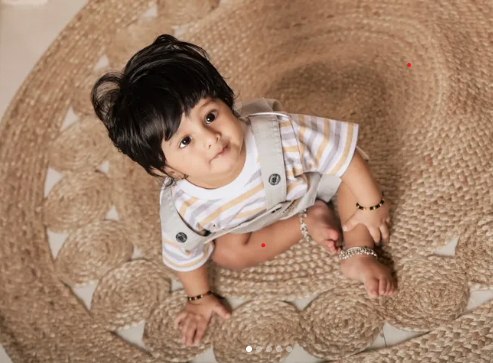
The first three months of a baby’s life are known as the fourth trimester—a phase defined by rapid growth, round-the-clock care, and remarkable developmental changes. For new parents, understanding baby milestones, developmental cues, and natural behaviour patterns during this period provides confidence and clarity. Each week, your newborn’s brain, senses, and motor skills evolve, forming the foundation for future growth.
Here’s a detailed guide covering month-wise baby development, newborn milestones, and what parents can expect from the baby’s first 3 months.
Understanding the Fourth Trimester
Birth is a major transition for a newborn. During the first 12 weeks, babies are adjusting to life outside the womb—new sounds, temperatures, lights, and sensations. Their sleep-wake cycles, digestion, and reflexes gradually mature, and parents play an essential role in creating a calm, nurturing environment.
The fourth trimester includes:
- Establishing feeding patterns
- Developing early communication skills
- Rapid physical and cognitive growth
- Strengthening bonding and emotional security
Recognizing developmental cues helps parents respond appropriately and support healthy progress.
Month 1: Newborn Stage (0–4 Weeks)
1. Physical Growth and Appearance
In the first month, babies undergo noticeable changes. Parents may observe:
- Rapid weight gain after the initial post-birth drop
- Development of muscle tone, though movements are still largely reflexive
- Hands mostly in fists
- Jerky arm and leg movements
This stage is dominated by newborn reflexes, which indicate normal neurological development.
2. Common Newborn Reflexes
Some key reflexes include:
- Rooting reflex – baby turns toward the cheek that is touched
- Sucking reflex – helps with feeding
- Startle (Moro) reflex – arms extend suddenly when startled
- Grasp reflex – tight grip on a finger placed in the palm
These reflexes fade gradually as intentional movements develop.
3. Sleep Patterns
A one-month-old typically sleeps 14–17 hours a day, waking frequently for feeds. Babies at this age:
- Have no fixed schedule
- Sleep in short bursts
- Need safe sleep positions (always on the back)
Understanding sleep cues—rubbing eyes, yawning, fussiness—helps avoid overstimulation.
4. Sensory Development
- Vision is blurry; babies can focus 8–12 inches away
- They can track slow-moving objects
- Prefer high-contrast patterns and faces
- Recognize parents by voice and scent
5. Emotional & Social Development
Even though newborns seem tiny and fragile, they are already forming deep connections. They respond to:
- Skin-to-skin contact
- Soothing voices
- Gentle rocking
- Routine and warmth
Bonding is the most important milestone in the baby’s first month.
Month 2: Awareness Begins (5–8 Weeks)
By the second month, babies become more alert and show early signs of social interaction. This stage brings many noticeable changes.
1. Cognitive Development
Two-month-olds begin exploring the world through:
- Longer periods of wakefulness
- Increased curiosity
- Recognition of familiar faces
- Early memory formation
Their brains grow rapidly, supporting new learning every day.
2. Emerging Motor Skills
- Improved neck strength
- Beginning of tummy time head lifts
- Smoother arm and leg movements
- Attempts to bat at nearby objects
While movements are not yet fully controlled, babies try to coordinate their limbs and explore their surroundings.
3. Social & Emotional Milestones
This month introduces some of the most exciting developmental cues:
- Social smile (a major milestone around 6–8 weeks)
- Response to voices with coos and soft sounds
- Enjoyment of face-to-face interaction
- Beginning of emotional bonding
Parents should engage with smiles, talking, and gentle play to promote communication skills.
4. Sensory Advancements
- Improved visual tracking
- Recognition of bright colours
- Increased response to sound
- Enjoyment of music and soft melodies
These reactions show that auditory and visual pathways are strengthening.
5. Feeding & Digestion
Whether breastfed or formula-fed, babies generally settle into a more predictable feeding routine. Many babies:
- Experience fewer digestive issues
- Show hunger cues (rooting, sucking fingers, fussiness)
- Feed every 2–4 hours
6. Sleep Progress
Longer sleep stretches (up to 4–6 hours at night) may begin, though this varies. Establishing a bedtime routine helps improve sleep quality.
Month 3: More Control & Communication (9–12 Weeks)
The third month shows significant leaps in development. Babies become more expressive, interactive, and physically stronger.
1. Motor Development
At three months, babies typically show:
- Better head control
- Ability to hold their head up during tummy time
- Stronger leg kicks
- Opening and closing hands
- Bringing hands to mouth
- Attempting to grasp objects
These changes reflect strengthening muscles and improving hand-eye coordination.
2. Social & Emotional Growth
This stage is filled with adorable interactions:
- Social smiling becomes more frequent
- Babies enjoy attention, cuddles, and playful sounds
- They begin to imitate facial expressions
- They show excitement by waving arms or kicking
Parents should encourage these interactions to support emotional security.
3. Cognitive Milestones
Three-month-old babies become more aware of routines. You may notice:
- Recognition of everyday patterns
- Better attention span
- Curiosity about surroundings
- Attempt to follow moving objects for longer
- Increased babbling, cooing, and sound experimentation
This is the start of early communication development.
4. Sensory Abilities
Sensory growth becomes more refined:
- Babies can track objects 180 degrees
- They respond to familiar music
- They identify caregivers’ voices and faces
- They show interest in toys with sound or texture
Providing safe sensory toys supports brain development.
5. Feeding Growth Spurts
Many babies go through a growth spurt around 10–12 weeks and may feed more frequently. Parents should follow hunger cues rather than fixed schedules.
6. Sleep Improvements
By the third month, nighttime sleep becomes more structured. Many babies sleep:
- 5–7 hour stretches at night
- 3–4 naps during the day
Consistent bedtime routines support healthy sleep habits.
Important Developmental Cues to Watch For
Understanding developmental cues helps parents respond appropriately and identify potential concerns early.
Hunger Cues
- Rooting
- Lip smacking
- Putting hands to mouth
- Fussiness
Sleep Cues
- Yawning
- Rubbing eyes
- Turning away
- Irritability
Overstimulation Signs
- Crying suddenly
- Looking away
- Squirming
- Fussiness during play
Contentment Cues
- Relaxed body
- Soft cooing
- Smooth movements
- Eye contact
Parents who respond promptly help build trust, attachment, and emotional security.
Tips to Support Baby Development in the First 3 Months
1. Encourage Tummy Time
Helps build neck and shoulder muscles, prevents flat head syndrome, and improves motor development.
2. Talk and Sing Regularly
Promotes language development and bonding.
3. Create a Calm Environment
Soft lighting, gentle music, and predictable routines help newborns feel safe.
4. Follow the Baby’s Cues
Responding to signals creates stronger emotional connection and reduces stress.
5. Use High-Contrast Toys
Newborn vision responds best to black-and-white patterns.
6. Ensure Safe Sleep Practices
Always place the baby on their back on a firm mattress.
7. Maintain Skin-to-Skin Contact
Supports temperature regulation, feeding, and emotional bonding.
When to Consult a Pediatrician
Every baby develops at their own pace, but seek advice if you notice:
- No response to loud sounds
- Lack of eye contact by 2 months
- Stiff or very floppy muscle tone
- No social smile by 3 months
- Feeding difficulties
- Persistent crying or irritability
Early support can address concerns effectively.
Conclusion
The baby’s first 3 months bring extraordinary growth—from reflexive newborn movements to smiling, cooing, and engaging with the world. Understanding month-wise baby milestones and developmental cues helps parents nurture their child with confidence. With patience, observation, and loving interaction, you can support your baby’s cognitive, emotional, and physical development during these foundational weeks.