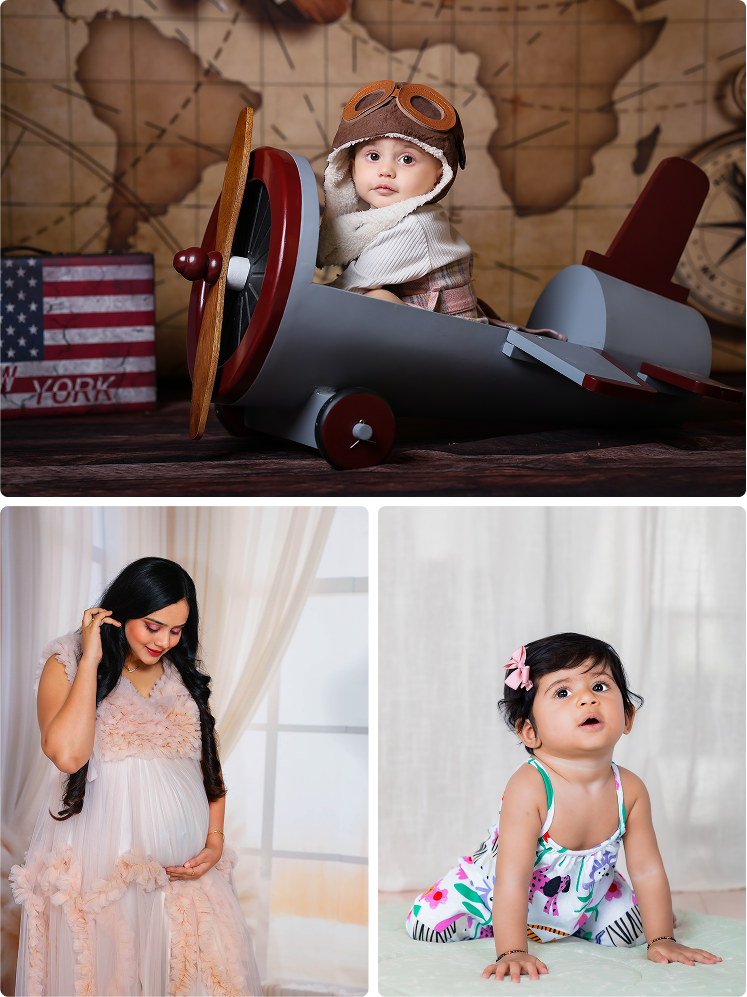
Becoming a parent for the first time is an emotional, joyful, and slightly overwhelming experience. Between feeding schedules, sleepless nights, and learning your baby’s cues, planning a baby photoshoot can feel like just another task on an already long list. However, your baby’s early days pass incredibly fast, and capturing those moments professionally is something most parents cherish for a lifetime.
That’s why having a clear baby photoshoot checklist can make all the difference. With the right preparation, the experience becomes calm, enjoyable, and memorable rather than stressful. Whether you are planning a newborn session or your baby’s first milestone shoot, this checklist will help first-time parents feel confident and prepared.
At GigglesandGrins, a professional baby photography studio in HSR Layout, Bangalore, we work closely with new parents every day. This guide is based on real experiences and practical needs, not theory.
Start With Early Planning and Booking
One of the most common mistakes first-time parents make is waiting too long to book a baby photoshoot. Professional baby photographers, especially those specializing in newborn photography, often get booked weeks in advance.
If you are planning a newborn photoshoot, the ideal time to book is during your pregnancy itself, preferably in the second or early third trimester. This ensures the photographer can tentatively block dates around your due date. Babies rarely arrive exactly on schedule, so advance booking allows flexibility without panic.
For older babies or milestone photoshoots, booking four to eight weeks in advance is usually recommended. Early booking also gives you time to discuss themes, styling, and expectations without rushing.
Choose the Right Age and Timing for the Shoot
Timing plays a huge role in the success of a baby photoshoot.
For newborn photography, the best window is when the baby is between five and fourteen days old. During this phase, babies sleep deeply, are less disturbed by gentle posing, and still retain those curled-up newborn features that parents love.
If your baby is older, milestone sessions at three months, six months, nine months, or one year each offer unique expressions and movements. The key is to choose a stage that reflects what you want to remember most.
Time of day also matters. Morning sessions generally work best because babies tend to be calmer and more settled after their first feed of the day. A relaxed baby always leads to better photographs.
Prepare Your Baby Before the Photoshoot
Your baby’s comfort is the most important part of any photoshoot.
Try to feed your baby just before leaving for the studio or just before the session begins. A full tummy usually means a sleepy, content baby, which is ideal for photography. If your baby feeds frequently, don’t worry, professional photographers always allow time for feeding breaks.
Dress your baby in loose, easy-to-remove clothing before the shoot. This helps avoid waking or irritating them during outfit changes. Avoid tight elastic, socks, or clothes that leave marks on the skin.
Always carry extra diapers, wipes, burp cloths, and feeding essentials. Even though studios like GigglesandGrins are well-equipped, having your own baby’s familiar items helps keep them calm.
Plan Baby Outfits With Simplicity in Mind
When it comes to baby photography, simpler outfits always photograph better. Neutral colors, soft fabrics, and minimal designs keep the focus on your baby’s expressions rather than the clothing.
Many professional studios provide baby wraps, headbands, caps, and props that are specially selected for comfort and safety. These are designed to complement photography lighting and themes.
If you choose to bring outfits from home, limit yourself to one or two options. Overpacking outfits often leads to unnecessary stress and longer sessions. If you have a sentimental item, such as a gifted blanket or a special outfit, let your photographer know in advance so it can be incorporated naturally.
Coordinate Parent and Family Outfits
First-time parents often focus entirely on the baby and forget about themselves. However, family portraits are an important part of most baby photoshoots.
Parents should wear comfortable clothing in soft, neutral tones such as beige, cream, pastels, or light grey. Avoid loud prints, heavy patterns, or logos that distract attention. Coordinating colors between parents works better than wearing identical outfits.
Comfort is key. New mothers especially should choose outfits they feel confident and relaxed in. The goal is to look natural and connected, not posed or uncomfortable.
Understand and Trust the Safety Process
Safety is the foundation of professional baby photography. As a parent, it’s important to choose a photographer who prioritizes your baby’s well-being over achieving a particular pose.
A professional baby photography studio maintains strict hygiene standards, including sanitized props, clean fabrics, and temperature-controlled spaces. Babies are never forced into uncomfortable positions, and many poses you see online are created using safe composite techniques.
If at any point your baby seems uncomfortable, sessions should pause. A good photographer will always work at your baby’s pace.
Mentally Prepare for a Slow and Gentle Session
Baby photoshoots are not rushed events. Newborn sessions can last two to three hours, and that is completely normal. This time includes feeding, soothing, diaper changes, and breaks.
First-time parents sometimes worry if their baby cries or doesn’t settle immediately. This is perfectly normal. Experienced photographers know how to calm babies and will guide you through the process patiently.
Arriving with a relaxed mindset makes a huge difference. When parents are calm, babies sense it too.
What to Carry to the Photoshoot
Even if your studio provides most essentials, having a small bag ready helps you feel secure.
Carry extra diapers, wipes, feeding supplies, a pacifier if your baby uses one, and an extra set of baby clothes. Parents may also want to bring a change of clothes, especially if the shoot includes close cuddles and poses.
Avoid bringing unnecessary items or too many outfits. A clutter-free setup helps the session flow smoothly.
After the Photoshoot: What Happens Next
Once the session is complete, the photographer will share proof images for selection. These are unedited previews from which you choose your favorites. Selected images then go through professional retouching, focusing on skin tones, minor blemishes, and overall polish while keeping everything natural.
Final images are usually delivered digitally, with options for albums, framed prints, or keepsakes. Many parents love creating a physical album to revisit these memories as their child grows.
Common Mistakes First-Time Parents Should Avoid
Waiting until after delivery to book a photographer is one of the biggest mistakes. Another common issue is overthinking every detail—from outfits to baby behavior. Remember, babies don’t follow schedules, and that’s okay.
Choosing a photographer without newborn handling experience can also lead to unsafe or stressful situations. Always review portfolios and ensure the photographer specializes in baby photography.
Lastly, don’t compare your baby’s session to images you see online. Every baby is unique, and the most meaningful photos are the ones that reflect your child’s natural personality.
Final Thoughts
A baby photoshoot is not just about pictures; it’s about preserving a chapter of your life that passes far too quickly. With the right preparation and a clear checklist, first-time parents can enjoy the experience instead of worrying about it.
By planning ahead, keeping things simple, and trusting experienced professionals, you ensure that your baby’s first photoshoot becomes a beautiful memory for your family. Studios like GigglesandGrins in HSR Layout, Bangalore are designed to support parents every step of the way, making the process gentle, safe, and joyful.
Your baby will grow and change before you realize it, but these photographs will remain forever.